

Views: 0 Author: Site Editor Publish Time: 2025-11-18 Origin: Site


Does your desk vanish under papers and random things every week? You probably have storage, but not a clear system that works. This is where 3 drawer plastic storage turns vertical space into order. In this article, you will see top benefits, real uses, and simple buying tips.
3 drawer plastic storage units maximize vertical space while minimizing floor usage, making them ideal for apartments, dorm rooms, offices, and compact workstations. Their modular structure allows users to scale storage capacity without permanent installation.
Transparent drawers dramatically reduce search time, improving productivity in offices, kitchens, craft rooms, and stock areas. Combined with labels, they create near-instant visual access to stored items.
Plastic outperforms wood and metal in humid and fast-changing environments, especially for Bathroom Storage and kitchens, thanks to moisture resistance, corrosion prevention, and low maintenance needs.
They deliver strong long-term value through affordability, durability, and reuse, making them suitable for renters, students, startups, and expanding teams that need flexible solutions without heavy capital investment.
From homes to DIY workshops and kids’ learning areas, these units adapt easily across scenarios while maintaining safety, hygiene, and structural stability.
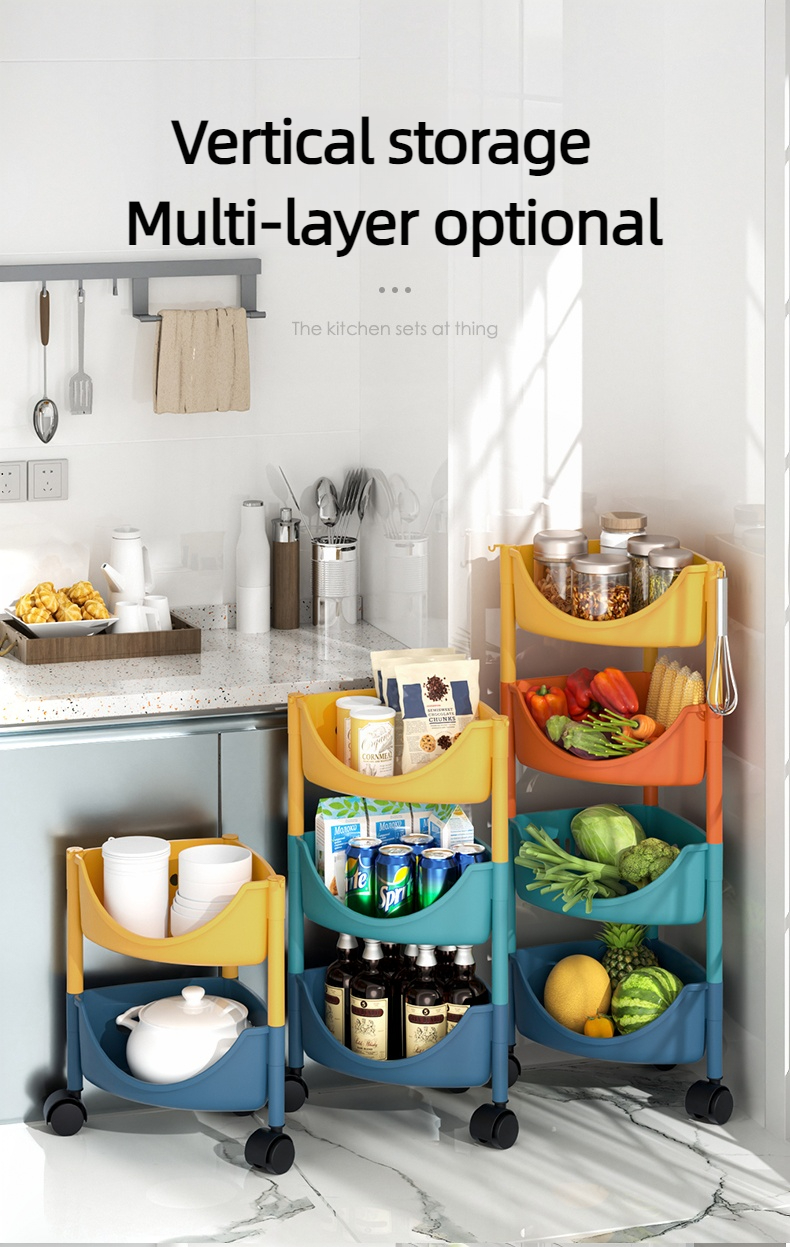
The biggest win of 3 drawer plastic storage is vertical space efficiency. Instead of spreading storage horizontally across floors and tabletops, these units build upward. This allows users to store more items without increasing the footprint of the room. In dense urban apartments or compact offices, this vertical strategy is critical.
You can slide one unit under a desk, below a printer station, or inside the lower section of a closet. Many people also place them beside beds, next to sofas, or under bathroom vanities. Their slim profile allows integration into spaces that traditional cabinets cannot occupy.
For dorms and shared apartments, these units help divide personal storage clearly. Each drawer can represent one category or one person. In offices, they support workstation organization without expensive furniture renovations.
| Application Area | Typical Placement | Space Benefit Achieved |
|---|---|---|
| Home Office | Under desk | Keeps desktop clear and usable |
| Bedroom | Beside bed or closet base | Adds storage without blocking walkways |
| Bathroom | Under sink or vanity side | Uses low vertical dead space efficiently |
| Workshop | Under bench | Keeps tools accessible without clutter |
When designing office layouts, choosing narrow 3-drawer units allows them to fit neatly under workstations without reducing aisle clearance.*
Transparent drawers drastically reduce the time wasted searching for items. Users can see the contents before opening a drawer, which eliminates the trial-and-error process common with opaque boxes. Over the course of a workday, this saves minutes that add up to measurable productivity gains.
In home offices, clear drawers make it easy to locate pens, USB drives, chargers, and adapters. In craft rooms, they display beads, threads, paints, and brushes at a glance. In small stock areas, they help staff instantly identify missing components.
Opaque drawers provide visual calm and hide clutter, which suits public-facing spaces. Transparent drawers, however, excel in task-driven environments. Many users combine both types to balance speed and appearance.
| Drawer Style | Visual Access Level | Best Functional Use |
|---|---|---|
| Fully Transparent | Maximum | Crafts, electronics, office supplies |
| Frosted | Medium | Bathroom Storage, bedrooms |
| Opaque | Low | Living rooms, reception areas |
In B2B environments, transparent drawers with printed labels significantly reduce onboarding time for new staff (data to be verified).
3 drawer plastic storage units feel light when moved, yet they tolerate daily opening, closing, and surface impacts with ease. This balance between portability and durability is one of their strongest material advantages. Users can reposition them without tools or assistance.
Compared to wood, plastic does not swell from humidity or absorb odors. This makes it especially suitable for kitchens, laundry rooms, and Bathroom Storage. It also performs well in basements where moisture would damage many wooden cabinets.
Compared to metal, plastic does not rust, chip, or create harsh impact noise. Plastic slides feel quieter and smoother in daily use. For environments where acoustic comfort matters, this makes a noticeable difference.
| Material Type | Moisture Resistance | Noise Level | Weight | Maintenance Effort |
|---|---|---|---|---|
| Plastic | High | Low | Light | Very Low |
| Wood | Low–Medium | Medium | Heavy | Medium |
| Metal | Medium | High | Heavy | Medium–High |
Always confirm the rated load capacity per drawer to avoid long-term deformation or slide failure.
Many 3 drawer plastic storage systems are modular by design. Users can stack two or three units to multiply storage capacity vertically. This allows gradual expansion without requiring complete furniture replacement. This scalability is ideal for growing families, expanding offices, classrooms, and startups. Instead of buying one large cabinet upfront, users can add units as demand increases. This spreads cost over time and improves cash flow management. Safe stacking strategies matter for long-term usability. Heavier items should always sit in lower drawers. Manufacturers often specify safe stacking limits, which should be respected to prevent tipping. Modular units outperform fixed cabinetry when layouts change frequently. They move easily during renovations, relocations, and department reconfigurations. For leased offices and short-term project spaces, modular 3-drawer systems align well with flexible occupancy strategies.*
Cost is a decisive factor for both individual buyers and organizations. 3 drawer plastic storage delivers strong value because it combines low purchase price with long service life. Users avoid the installation costs associated with built-in furniture. For students and renters, affordability and portability are essential. They need storage that adapts to frequent moves and changing layouts. Plastic drawer towers satisfy both needs without financial risk. For businesses, cost per workstation matters. A simple 3-drawer unit often replaces custom drawer cabinets at a fraction of the expense. Lead times are shorter, and procurement is simpler.
| Buyer Type | Key Cost Concern | Why Plastic Storage Works |
|---|---|---|
| Students | Low price, portability | Easy to move, affordable |
| Startups | Budget control | Low unit cost, modular |
| Corporations | Cost per workstation | Scales without renovation |
Plastic storage is extremely easy to clean and maintain. A damp cloth and mild soap usually restore surfaces to a clean, hygienic state. Unlike wood, plastic does not require polish or sealing. In kitchens and bathrooms, spills are common. Users can remove drawers, rinse them, dry them, and return them within minutes. This fast cleaning cycle supports healthy environments. Dust and pests struggle to penetrate sealed drawers. Paper documents, electronics, fabrics, and medical supplies remain cleaner for longer periods. This is valuable in both homes and professional spaces. UV-stabilized plastics also retain appearance well under indoor lighting. They do not chip or peel like painted surfaces. In clinics and labs, choosing fully removable, washable drawers supports standardized sanitation procedures.
Wooden cabinets offer a premium aesthetic and warmth. However, they are costly, heavy, and sensitive to moisture. In humid spaces, wood can swell, warp, or develop mold over time. Plastic storage remains dimensionally stable in steam-rich environments such as kitchens and Bathroom Storage. It also avoids the long drying times that plague wooden furniture after spills. Wood excels in permanent interiors and luxury environments. Plastic excels in flexible, high-turnover spaces where function outweighs appearance.
Metal cabinets are strong and secure, particularly for heavy tools and documents. They also support locking mechanisms better than most plastic units. However, they introduce weight, noise, and higher transport costs. Plastic drawers operate quietly and feel softer in daily use. They also avoid sharp edges and corrosion in damp spaces. For general offices, classrooms, and shared areas, plastic usually provides sufficient durability. Metal remains the better option for heavy industrial storage, while plastic excels in light-to-medium duty organization.
Fabric storage bins are lightweight and collapsible. They work well for seasonal clothing and temporary overflow storage. However, they lack structure and fail to protect small or heavy items. Plastic drawers retain their shape permanently. They separate items clearly and prevent shifting during movement. This makes them more reliable for tools, electronics, and educational materials. In many homes, fabric and plastic can coexist. Each material serves different functional roles. For enterprise storage systems, combining plastic drawers for high-frequency small items and metal cabinets for heavier stock creates a balanced configuration.
In bedrooms, 3 drawer plastic storage helps manage daily clutter efficiently. The top drawer commonly holds keys, wallets, skincare, and chargers. The middle drawer stores socks, belts, or accessories. The bottom drawer holds folded garments or small bags. For Bathroom Storage, these units are ideal for towels, tissue packs, cosmetics, and cleaning supplies. Plastic resists moisture damage and allows frequent washing without degradation. In kitchens, drawer towers become mini-pantries or wrap stations. They store foil, plastic film, snack packs, utensils, and baking tools. This reduces countertop congestion. In closets, they fill low vertical gaps that often go unused. Scarves, shoes, hats, and seasonal items fit neatly within reach.
Desks easily become overwhelmed with paper and cables. A 3-drawer unit beneath the desk restores order quickly. Each drawer handles a different category of work materials. Top drawers hold pens, markers, and notepads. Middle drawers organize chargers, hubs, and peripheral accessories. Bottom drawers store documents and reference files. In shared offices, labeling prevents ownership confusion. Each employee or function gets assigned drawer space. This increases accountability and reduces daily friction. For students, a drawer tower near the desk centralizes study tools. Packing for classes becomes faster and less stressful.
Tip:For reception desks and call centers with rotating staff, standardized 3-drawer units simplify shift handovers.*
Craft tables fill up rapidly with materials. Beads, yarn, cutting tools, and paints spread easily. Drawer storage imposes simple categorization that helps maintain creative flow. One drawer holds tools such as scissors, rulers, and cutters. Another holds raw materials. The third holds active projects. This separation prevents damage and confusion. In DIY workshops, plastic drawers store screws, bolts, and connectors safely. Oil residue does not degrade the plastic surface. Labels maintain part identification. Photography, electronics, and model-making setups also benefit from drawer storage. Foam inserts enhance protection when needed.
Children benefit strongly from structured storage patterns. Three drawers are easy to understand and remember. Each drawer can be dedicated to a specific toy or activity type.
Top drawers store art tools and notebooks. Middle drawers store building blocks. Bottom drawers hold plush toys and larger items. This consistent logic builds long-term organization habits. Transparent fronts show when clutter exceeds limits. Parents can guide cleanup visually without constant supervision. Soft-close features improve safety. Educational institutions often use 3-drawer plastic units with icon labels to promote child-led organization behavior.
The quality of drawer slides determines long-term satisfaction. Basic gravity slides work well for light loads and household use. They are simple and low-cost. Ball-bearing slides support heavier loads smoothly. They provide controlled motion and reduce wear during frequent operation. Full-extension designs improve visibility and access. Higher-end units with quality slides last longer and feel more premium in use.
Handle design influences comfort and safety. Recessed cut-out handles save space and suit compact layouts. They also reduce snagging risk. External pull handles provide better leverage for heavier drawers. They are favored in workshops and office supply zones. For children’s spaces, recessed handles remain the safest choice.
Ventilation features reduce moisture build-up in damp environments. This protects fabrics, paper, and medicines. Anti-tip structures prevent dangerous forward collapse during use. Some units limit simultaneous drawer opening. Others use wall-mount brackets. Safety certifications are important in schools, clinics, and public spaces. B2B buyers should specify anti-tip design and material compliance in procurement standards.
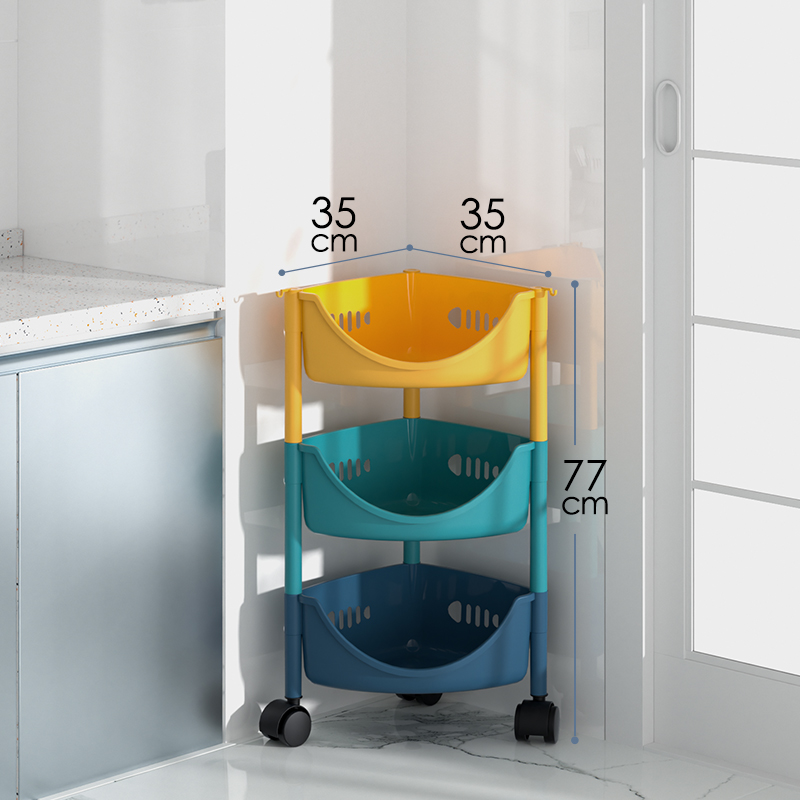
Item analysis comes first. Users should list what they plan to store before choosing drawer depth and width. Shallow drawers fit cosmetics and stationery. Deep drawers handle files and clothing. Weight ratings matter for longevity. Exceeding rated loads accelerates slide wear and frame deformation. Heavy items should always stay at the bottom. Planning size correctly reduces replacement risk and improves safety.
Polypropylene (PP) offers chemical resistance and cost efficiency. It suits opaque or tinted drawer designs. It is widely used for Bathroom Storage due to excellent moisture tolerance.
Polycarbonate (PC) offers higher clarity and impact strength. It is ideal for transparent drawers used in technical or professional settings.
Buyers should match material choice with workload and environment.
Color affects both usability and mood. Clear drawers emphasize speed and visibility. Opaque designs emphasize visual order. In offices, neutral tones blend with furniture systems. In kids’ rooms, bright colors support category learning. In clinics, white and gray reinforce sterile appearance. Good visual integration prevents storage from looking like clutter. Retail chains benefit from standardizing drawer color and label design across branches for brand consistency.
Routine cleaning uses only mild soap and warm water. Harsh chemicals cloud plastic and weaken it over time. Complete drying prevents odor formation. Label adhesive residue should be removed gently with alcohol or food-safe oil. Always test small areas first. Gentle care greatly extends visual quality.
Heat and overload cause most plastic failures. Units should stay away from direct sun, heaters, and hot machinery. Respecting weight limits prevents slide deformation. Dust removal maintains smooth operation. Silicone spray supports quiet movement without damaging plastic.
Quality units remain useful for many years across environments. Home units can migrate into garages or stockrooms as needs evolve. Some manufacturers now use recycled plastics. This improves environmental performance. Businesses can design reuse cycles between departments to reduce waste. Sustainable procurement strategies increasingly score products based on lifecycle use and recyclability.
3 drawer plastic storage stands out for space efficiency, durability, and low maintenance. It performs better than wood, metal, and fabric in humid and busy spaces. It fits homes, Bathroom Storage, offices, and workshops with ease. It cuts search time and setup costs. With LIYE, users gain reliable plastic storage solutions that deliver strong daily value and flexible use.
A: It is compact plastic storage with three stacked drawers for fast, visual organization.
A: 3 drawer plastic storage resists moisture, costs less, and is easier to move and clean.
A: 3 drawer plastic storage handles towels, toiletries, and cosmetics without warping from humidity.
A: Yes, plastic storage keeps supplies visible, reduces desk clutter, and improves workflow.
A: 3 drawer plastic storage is budget-friendly and cheaper than cabinets.
A: Overloading or dust buildup in 3 drawer plastic storage slides is the main issue.


