

Views: 0 Author: Site Editor Publish Time: 2026-08-24 Origin: Site


High-traffic commercial environments expose standard fixtures to accelerated wear, vandalism, and moisture degradation. From busy hospitality venues to corporate office restrooms, durability remains paramount. Utilizing residential-grade dispensers in these demanding settings leads to high replacement frequencies. It also increases consumable waste and compromises facility hygiene. Procurement teams face a distinct operational challenge. You must balance upfront fixture selection with long-term durability, aesthetic integration, and daily operational efficiency.
This technical evaluation examines commercial-grade plastic tissue dispensers. We focus heavily on material composition, structural configurations, and specific use-case requirements. Understanding these elements will directly guide your procurement decisions. You will learn how to select fixtures that withstand heavy use while optimizing janitorial workflows.
Material Integrity: High-grade plastics like ABS and Polypropylene (PP) offer superior impact and chemical resistance compared to standard acrylics, while modern hybrid designs can incorporate durable faux-wood or bamboo elements for upscale aesthetics.
Moisture Management: Facilities with high humidity require a specialized waterproof wall-mounted tissue box to prevent consumable degradation and bacterial growth.
Operational Efficiency: Multi-functional and high-capacity units reduce janitorial servicing intervals and lower the Total Cost of Ownership (TCO).
Compliance & Installation: Proper selection requires evaluating mounting surfaces, ADA compliance for accessibility, and tamper-resistant locking mechanisms.
Selecting the right tissue box material dictates its lifespan in a commercial setting. Acrylonitrile Butadiene Styrene (ABS) and Polypropylene (PP) dominate the commercial market. ABS provides exceptional structural rigidity. It resists blunt force impacts effectively. Polypropylene offers high flexural strength. It withstands repetitive stress without cracking. We see standard acrylic shatter constantly in high-traffic zones. It creates hazardous sharp edges and requires immediate replacement. ABS absorbs shock and retains its molded shape. PP flexes under pressure and returns to its original form.
Impact resistance metrics strongly favor these high-grade plastics. In high-vandalism areas, stainless steel often suffers permanent dents. Once dented, stainless steel looks neglected and cannot be easily repaired. High-density plastics bounce back from impacts that would destroy metal or acrylic housings. Facility managers frequently deal with accidental impacts from cleaning carts or heavy bags. ABS housings handle these daily collisions without showing structural fatigue.
Chemical resistance is another critical factor for facility maintenance. Commercial restrooms endure daily cleaning with industrial-grade quaternary ammonium compounds. Standard plastics cloud, craze, or crack under this chemical exposure. High-density ABS and PP resist these harsh solvents. They maintain their structural integrity and surface finish over years of daily sanitation. You do not want to replace dispensers simply because the cleaning crew used the standard facility disinfectant.
Modern facilities often require softer aesthetics without sacrificing durability. Hybrid material designs bridge this gap perfectly. Manufacturers combine heavy-duty PP main bodies with commercial-grade bamboo or wooden removable covers. These units serve boutique hotels and luxury spas well. They deliver an upscale look while maintaining a rugged, impact-resistant core. We recommend ensuring any wood components feature heavy polyurethane sealants to prevent moisture warping.
Material Type | Impact Resistance | Chemical Tolerance | Common Commercial Application |
|---|---|---|---|
ABS Plastic | Very High (Absorbs shock) | High (Resists most cleaners) | High-traffic public restrooms, airports |
Polypropylene (PP) | High (Flexes under stress) | Very High (Solvent resistant) | Hospitals, industrial kitchens, clinics |
Standard Acrylic | Low (Prone to shattering) | Low (Clouds easily) | Light-duty office desks (Not recommended) |
Stainless Steel | Medium (Dents permanently) | High (Requires specialized polish) | Premium corporate lobbies |
Wet environments demand specialized dispensing solutions. Locker rooms, commercial kitchens, and hotel bathrooms expose paper products to constant ambient humidity. Direct water splashes also pose a significant risk. Standard dispensers allow moisture to penetrate the housing. This ruins the consumables and creates unnecessary waste.
Facilities with high humidity require a true waterproof wall-mounted tissue box to protect inventory. Engineering features must include tight silicone gasket seals. Overlapping lid designs prevent water from dripping into the dispensing slot. Internal drainage channels redirect any surface condensation away from the paper products. We look for units with a pronounced drip edge. This simple design element forces water to fall away from the extraction point rather than pooling around the paper.
Moisture control directly impacts facility hygiene. Damp paper products inside a dark dispenser create an ideal breeding ground for mold. Bacterial proliferation inside the housing compromises sanitation protocols. Fully sealed plastic units block moisture ingress entirely. This keeps the interior dry and prevents microbial growth. In commercial kitchens, airborne grease combined with moisture creates a sticky residue on standard dispensers. Sealed ABS units allow staff to wipe away grease without contaminating the paper inside.
Dispenser dimensions must align with your facility's spatial constraints and traffic volume. Flat rectangular dispensers offer a low profile against the wall. Upright cube configurations save horizontal space but protrude further outward. You must contrast these footprints against your available mounting areas. Installing a deep cube dispenser in a narrow restroom stall creates a physical obstruction for users.
Refill mechanisms dictate janitorial efficiency. Bottom-loading units often require complete removal from the wall bracket. Top-loading designs allow faster servicing. Removable covers provide quick access but risk damage if dropped. Hinged lids with reinforced pins offer better long-term durability. Clear visual capacity indicators, such as frosted windows, optimize janitorial routing. Staff can check fill levels without opening the unit. Across a 500-room hotel, saving just 30 seconds per dispenser refill translates to massive labor reductions annually.
Consumable standardization prevents vendor lock-in. Your selected dispenser must remain agnostic to specific tissue brands. It should accommodate various bulk or jumbo capacity requirements. Always verify internal dimensions against your current paper supply contracts before finalizing a purchase. Proprietary dispensers force you to buy specific paper sizes, severely limiting your supply chain flexibility during shortages.
Refill Mechanism | Janitorial Speed | Durability Risk | Best Use Case |
|---|---|---|---|
Top-Loading Hinged Lid | Fast (Under 15 seconds) | Low (Hinges must be reinforced) | High-traffic public restrooms |
Bottom-Loading Slide | Slow (Requires bracket removal) | Medium (Slide tracks can wear out) | Low-traffic private offices |
Removable Friction Cover | Medium (Requires two hands) | High (Cover can be dropped/cracked) | Hotel nightstands, lobby desks |
Public restrooms face constant risks of consumable theft and malicious tampering. Unsecured dispensers invite vandalism. People may remove bulk paper supplies or damage the housing. Robust security mechanisms are non-negotiable for high-traffic environments. We frequently see unsecured units emptied within hours in public transit hubs.
Evaluate the locking mechanisms carefully. Keyed locks provide the highest level of security for public transit or stadium restrooms. Concealed push-button releases work well for corporate offices where theft risk is lower but tampering remains a concern. Reinforced hinges prevent vandals from prying the unit open. A standard plastic hinge will snap under moderate leverage. Commercial units utilize thick, molded-in hinge pins that resist prying tools.
The structural rigidity of the mounting backplate matters immensely. Vandals often attempt to forcefully remove the entire unit from the wall. A reinforced, multi-point mounting plate distributes the pulling force. This prevents the plastic housing from tearing away from the anchoring screws. We always specify backplates with at least four distinct mounting points for commercial installations. Six-point mounting plates offer even greater security for high-risk environments.
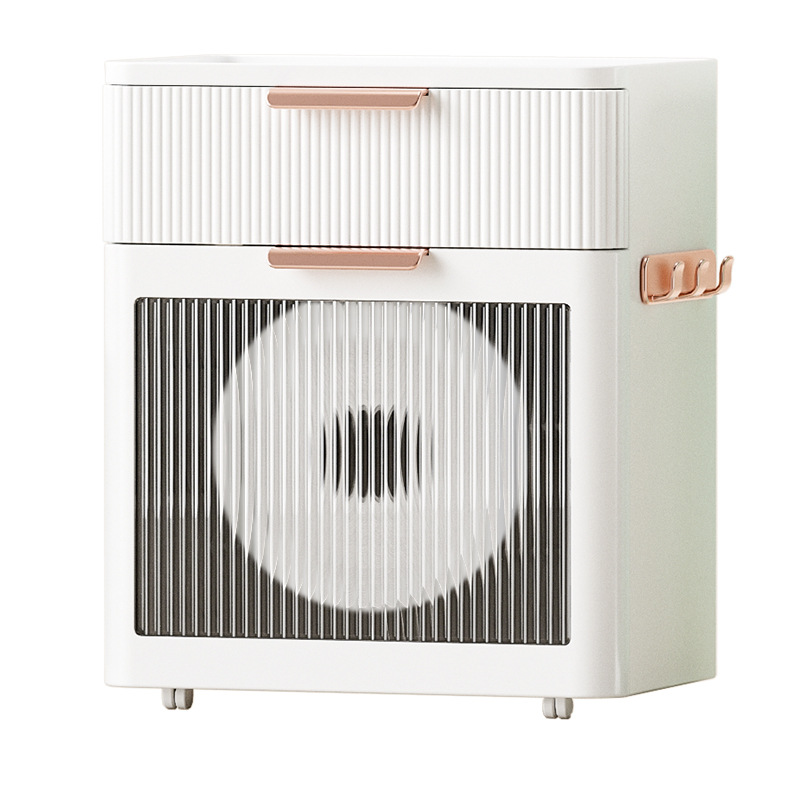
Freestanding units serve specific low-risk zones effectively. They work best on hotel nightstands, office desks, and lobby reception areas. Success criteria for freestanding models include weighted bases to prevent tipping. Anti-slip rubberized feet keep the unit stable during one-handed dispensing. Without these features, users end up dragging the entire box across the desk when pulling a tissue.
Wall-mounted systems provide distinct operational advantages for high-traffic zones. They optimize valuable floor and counter space. Standardized placement ensures users always know where to find supplies. Most importantly, wall mounting prevents opportunistic theft of the entire dispenser. In a busy clinic, keeping counters clear of freestanding boxes allows staff to sanitize surfaces much faster.
Space-constrained environments benefit greatly from consolidated fixtures. Small clinic examination rooms and individual restroom stalls often lack surface area. A wall-mounted tissue box with storage solves this spatial challenge efficiently. Consolidating fixtures reduces wall clutter and minimizes the number of holes drilled into your partitions.
Integrated features maximize utility. Top shelving provides a safe resting place for personal items like mobile phones. Secondary compartments can house hand sanitizer bottles or feminine hygiene products. Some units even feature integrated small waste receptacles below the dispensing slot. This all-in-one approach keeps the immediate area organized and highly functional for the end user.
You must weigh the trade-offs of multi-functional units. They inherently possess a larger footprint. Storing additional items increases the total weight. This requires heavier load-bearing anchors on the mounting surface to ensure stability. If users place heavy bags or purses on the integrated shelf, the mounting hardware must withstand that dynamic load without failing.
High-turnover washrooms impose strict demands on fixtures. A dedicated bathroom tissue storage box must withstand constant interaction. Splash-guard designs are critical when mounting near sinks or high-velocity hand dryers. These guards prevent cross-contamination from dirty water droplets. Hand dryers blow water across the room at high speeds, easily soaking unprotected paper products nearby.
ADA compliance dictates installation parameters. Restroom fixtures must adhere to strict protrusion limits. Dispensers cannot project more than 4 inches into circulation paths. Mounting heights must remain within accessible reach ranges, typically between 15 and 48 inches from the finished floor. You must also ensure clear floor space beneath the dispenser to allow wheelchair access. Failure to meet these guidelines results in failed facility inspections and potential legal liabilities.
Design function plays a crucial role in modern commercial spaces. You no longer have to sacrifice aesthetics for industrial durability. Facilities demand fixtures that blend seamlessly into their architectural environment. A bulky, industrial-looking dispenser ruins the carefully planned design of a luxury restaurant restroom.
Modern white tissue box designs convey clinical cleanliness for healthcare settings. Matte black finishes have surged in popularity for hospitality and corporate decor. These dark, textured finishes mask fingerprints, water spots, and minor scratches exceptionally well. They maintain a premium appearance between cleaning cycles. Glossy finishes, while attractive initially, show every smudge and require constant wiping by your janitorial team.
Mounting fixtures on varied commercial surfaces presents distinct risks. Drywall requires toggle bolts to prevent pull-out. Ceramic tile and marble risk cracking if drilled improperly. Metal bathroom partitions offer limited thickness for standard screws. Using the wrong fastener guarantees the dispenser will eventually fall off the wall, potentially injuring a user and damaging the surface.
Evaluate your mounting hardware carefully. Heavy-duty anchors work best for masonry and reinforced drywall. VHB industrial adhesives offer a drill-free alternative for glass or tile. However, you must assess the risks of adhesive failure. High-humidity environments can degrade standard tapes over time. Always use moisture-rated industrial adhesives. We recommend cleaning the mounting surface with isopropyl alcohol before applying any adhesive tape to ensure maximum bond strength.
Mounting Surface | Recommended Fastener | Installation Risk | Mitigation Strategy |
|---|---|---|---|
Standard Drywall | Toggle Bolts / Zip Anchors | Pull-out under heavy load | Mount directly to studs where possible |
Ceramic Tile / Marble | VHB Tape + Silicone | Cracking tile with drill bits | Use drill-free adhesive methods |
Metal Partitions | Through-Bolts with Backing Plates | Screws stripping thin metal | Use through-bolts to sandwich the partition |
Concrete / Masonry | Sleeve Anchors / Tapcons | Dust interfering with seating | Vacuum drill holes thoroughly before anchoring |
Improper cleaning agents cause severe plastic embrittlement. Using abrasive scouring pads scratches the surface, removing the protective finish. Harsh bleach solutions can discolor dark plastics and weaken hinges. We frequently inspect facilities where brand-new dispensers look ten years old simply because the cleaning crew used abrasive powders.
Establish standardized cleaning SOPs immediately. Align your protocols with the manufacturer's chemical compatibility charts. Train janitorial staff to use microfiber cloths and approved neutral disinfectants. This simple mitigation strategy extends the fixture's lifespan significantly. Create a laminated cleaning guide for the janitorial closet detailing exactly which chemicals are safe for the plastic fixtures.
Purchasing closed-system dispensers creates severe supply chain risks. These units require proprietary, high-cost tissue refills from a single manufacturer. If that supplier faces shortages, your facility cannot source alternative paper products. You end up with empty dispensers on the wall while boxes of incompatible paper sit in the storage room.
Mitigate this risk during the procurement phase. Specify universal-fit dimensions in your purchasing requirements. Conduct physical fit-tests using your existing consumable contracts before authorizing a bulk order. Ensure the dispenser easily accepts standard commercial bulk packs. Measure the internal cavity of the dispenser and compare it directly to the uncompressed dimensions of your bulk tissue sleeves.
Corporate ESG goals heavily influence procurement today. Evaluate the end-of-life recyclability of your chosen fixtures. Both ABS and PP plastics are highly recyclable. They can be ground down and repurposed into new industrial products. Look for the resin identification codes stamped on the backplate. PP is designated as RIC 5, while ABS falls under RIC 7. Knowing these codes helps your waste management team process decommissioned units properly.
Consider secondary utility applications to promote waste reduction. You can repurpose older or decommissioned commercial tissue boxes. Mount them in janitorial closets or commercial kitchens as plastic grocery bag dispensers. This extends the product lifecycle and supports internal sustainability initiatives. A sturdy plastic housing still holds value even if it no longer meets the aesthetic standards of your front-of-house restrooms.
Audit your current consumable dimensions to ensure universal compatibility across all facility zones.
Request physical samples of ABS and PP models to conduct internal impact and chemical resistance testing.
Map out your facility's mounting surfaces to determine the exact quantities of required hardware or VHB adhesives.
Verify ADA reach ranges and protrusion limits for all planned restroom installation zones before drilling any holes.
Establish a standardized cleaning protocol using neutral disinfectants and microfiber cloths to protect the plastic finish.
A: ABS (Acrylonitrile Butadiene Styrene) and high-density PP (Polypropylene) are the most durable options. ABS provides exceptional impact resistance, absorbing blunt force without shattering. PP offers high flexural strength and resists fatigue. Both vastly outperform standard acrylic, which easily cracks or shatters in high-traffic commercial environments.
A: Use industrial-grade VHB double-sided tape combined with a perimeter of structural silicone sealant. Clean the tile thoroughly with isopropyl alcohol first. Apply the VHB tape for immediate hold, then add silicone for long-term moisture resistance. Allow 24 to 48 hours of curing time before loading consumables.
A: A truly waterproof unit features continuous silicone gaskets around the opening, overlapping lid seams, and non-porous plastic construction. These engineering elements block moisture ingress. They protect the internal paper consumables from direct water spray, ambient humidity, and condensation, preventing mold and bacterial growth.
A: Not always. Standard retail tissue cubes or rectangles often differ from commercial bulk packs. Commercial dispensers are designed for high-capacity, unboxed bulk paper. You must check the internal dimensions of the dispenser and compare them against the printable pattern templates or spec sheets provided by the manufacturer.
A: Use soft, non-abrasive microfiber cloths and compatible neutral disinfectants. Avoid high-concentration solvents, industrial bleach, or abrasive scouring powders. Harsh chemicals cause plastic clouding, crazing, and structural embrittlement over time. Always reference the manufacturer's chemical compatibility chart for approved cleaning agents.
A: ADA guidelines mandate specific reach and protrusion limits. The operable parts of the dispenser must be mounted between 15 and 48 inches from the finished floor for forward or side reach. Additionally, the unit cannot protrude more than 4 inches from the wall into any circulation path or walkway.


