

Views: 0 Author: Site Editor Publish Time: 2026-09-12 Origin: Site


Branded, disposable cardboard tissue boxes disrupt carefully curated interior design and often fail functionally in high-moisture or high-traffic environments. Consumers struggle with tissue boxes that get ruined by bathroom water splashes, take up valuable kitchen counter space, or lift off the table when a single tissue is pulled. Selecting the right tissue box holder requires evaluating room-specific environmental factors, mounting capabilities, and material durability. This guide provides a technical and aesthetic framework for choosing the optimal holder for every space in a home or office. We break down the exact specifications needed for wet zones, high-traffic living areas, and compact bedside tables. You will learn how to match base weights to dispensing friction and select adhesives that survive kitchen grease.
Room-Specific Materials Matter: Bathrooms require moisture-resistant materials (acrylic, treated metal), while living spaces benefit from aesthetic-driven materials (wood, leather, ceramic).
Mounting Solves Space Constraints: Utilizing a bathroom wall-mounted tissue box or a kitchen punch-free tissue box reclaims critical counter space and protects tissues from spills.
Weight Equals Usability: A high-quality holder must possess sufficient base weight or secure mounting to allow for seamless, one-handed dispensing without lifting the entire unit.
Sizing is Not Universal: Buyers must verify internal dimensions against their preferred tissue brand, accounting for standard rectangular versus boutique cube formats.
The foundation of a reliable holder lies in its material composition. Different rooms expose these accessories to varying levels of wear, moisture, and dust. You must assess the longevity of common materials before making a selection. ABS plastic offers high impact resistance and handles daily drops well. High-grade acrylic provides a glass-like aesthetic without the fragility of actual glass. Stainless steel delivers industrial strength but requires strict fingerprint management. Solid wood brings warmth to a room but needs heavy sealing against ambient humidity. PU leather offers a soft, premium feel while resisting minor spills. Ceramic provides excellent weight and high-end aesthetics but risks shattering if knocked off a table.
Maintenance protocols vary significantly across these materials. You can easily wipe dust off a smooth ceramic or acrylic surface using a dry microfiber cloth. PU leather requires occasional conditioning to prevent the edges from cracking over time. Solid wood holders need periodic oiling to maintain their finish and prevent splintering. Stainless steel demands specialized metal cleaners to prevent smudging and water spots. Understanding these cleaning requirements ensures the holder maintains its visual appeal without creating excessive household chores.
Material | Impact Resistance | Moisture Tolerance | Base Weight Profile | Maintenance Protocol |
|---|---|---|---|---|
ABS Plastic | High | Excellent | Light (Requires mounting) | Wipe with damp cloth |
Acrylic | Medium | Excellent | Medium | Glass cleaner, microfiber |
PU Leather | High (Soft) | Moderate | Light to Medium | Leather conditioner bi-annually |
Solid Wood | High | Low (Unless sealed) | Medium to Heavy | Wood polish, keep dry |
Ceramic | Low (Shatters) | Excellent | Heavy (Ideal for desktops) | Dust regularly |
304 Stainless Steel | High | Excellent | Medium | Stainless steel polish |
One-handed dispensing defines the functional success of any holder. You must analyze the physics of this action. The holder's base weight must exceed the upward friction generated by the tissue pull. Lightweight plastic covers often fail this test. They lift off the table, forcing you to use two hands to extract a single sheet. Heavy materials like ceramic, solid wood, or weighted resin naturally solve this problem. They stay firmly planted on the surface during use.
Base traction plays an equally important role in stability. A heavy holder can still slide across a polished table if the bottom is completely smooth. Look for units equipped with anti-slip silicone pads or felt bottoms. Silicone grips smooth surfaces like glass or varnished wood effectively. Felt pads prevent heavy ceramic or metal edges from scratching delicate furniture finishes. These small base additions drastically improve the daily user experience.
How you load the tissues matters just as much as how you dispense them. Manufacturers utilize three primary refill mechanisms. Bottom-sliding panels keep the exterior seamless. However, cheap plastic sliding tracks often warp or jam over time. Top-lifting lids offer the easiest access. You simply drop the box inside. Yet, they can look disjointed if the lid does not sit perfectly flush with the body.
Magnetic bases represent the gold standard for structural integrity. Strong neodymium magnets hold the bottom panel securely in place. You can lift the entire unit to clean the table underneath without the tissues falling out. Compare this to cheap plastic hinges that snap after a few months of use. Investing in magnetic closures or thick, reinforced sliding tracks guarantees long-term reliability.
The living room serves as the central gathering space in most homes. Accessories here must complement the overarching interior design rather than detract from it. You need a reliable framework for matching a living room desktop tissue box to your existing decor. Mid-century modern spaces benefit from rich walnut or teak finishes. Minimalist interiors pair perfectly with matte ceramic or frosted acrylic covers. Industrial lofts demand brushed steel or concrete-textured resin.
Modern design trends heavily favor material combinations. Utilizing white and wood material combinations helps the holder seamlessly blend into bright, neutral, or Scandinavian-inspired interiors. The crisp white body offers a clean look, while a bamboo or oak lid adds natural warmth. Always weigh visual appeal against practical upkeep. Mirrored finishes look stunning but show every single fingerprint. Matte finishes hide smudges and require far less daily maintenance.
Some homeowners prefer accessories that stand out rather than blend in. You can evaluate sculptural or quirky covers that act as natural conversation starters. Options range from retro radio replicas to abstract geometric shapes. They inject personality into an otherwise mundane household item.
You must balance novelty aesthetics with functional dispensing. Unique shapes sometimes compromise the base weight. A tall, narrow sculptural piece might tip over easily when pulled. Furthermore, unusual exterior dimensions can restrict internal tissue capacity. Ensure the novelty design still accommodates a standard rectangular or cube box without crushing the cardboard inside.
Strategic placement ensures tissues remain accessible without cluttering the room. Evaluate optimal locations based on seating arrangements and traffic flow. Coffee tables serve as the most convenient central point. Side tables offer discreet access next to reading chairs. Media consoles keep tissues handy for movie nights without obstructing sightlines to the television.
Address the footprint size carefully. A bulky holder impacts the usable surface area on smaller furniture pieces. If your side table barely holds a lamp and a coffee mug, choose a vertical cube holder. This orientation minimizes the footprint while maximizing vertical space. Reserve wide, rectangular holders for spacious coffee tables or deep shelving units.
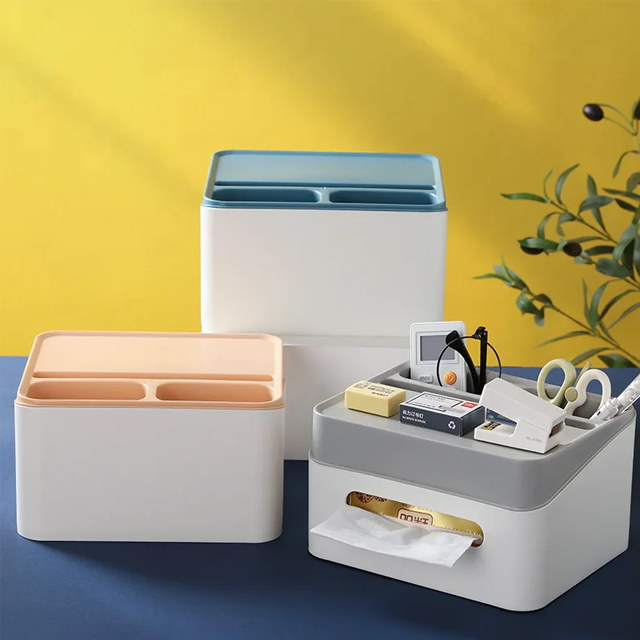
Space optimization drives modern accessory design. Assess desktop holders that include built-in organizational compartments. These hybrid units solve multiple storage problems simultaneously. They house the tissues while providing dedicated slots for remote controls, reading glasses, or pens.
Reduces coffee table clutter by consolidating multiple loose items into one footprint.
Prevents television remote controls from getting lost in couch cushions.
Provides a highly stable base due to the added weight of the stored items.
Offers a dedicated spot for coasters to protect expensive wood surfaces.
Keeps reading glasses safe from accidental drops or scratches.
Bathrooms present the harshest environment for paper products. Standard cardboard fails rapidly here. Steam softens the box, while stray water splashes cause mold and degradation. This necessitates fully enclosed holders. You must protect the tissues from ambient humidity to maintain their structural integrity and hygiene.
Evaluate materials specifically for high-humidity zones. High-grade acrylic offers complete waterproof protection. It will never rust, warp, or degrade from moisture exposure. If you prefer metal, insist on rust-proof 304 stainless steel. Lower-grade metals will corrode within months of shower steam exposure. Sealed bamboo provides a natural look, but verify the manufacturer used a marine-grade polyurethane sealant to prevent swelling and splitting.
Mounting the holder keeps it away from wet vanity surfaces. You must compare traditional screw-in mounts versus heavy-duty waterproof adhesives. Screw-in hardware provides permanent, high load-bearing security. It works best on drywall or solid wood cabinets. However, drilling into bathroom tile requires specialized diamond bits and risks cracking the surface.
Adhesive solutions offer a safer alternative for hard surfaces. Criteria for selecting a bathroom wall-mounted tissue box depend heavily on your tile type. Smooth porcelain or glazed ceramic tiles accept adhesive pads perfectly. Natural stone, with its porous and uneven surface, often rejects adhesives. Always match the installation method to the wall material to prevent unexpected detachment.
Clean the target wall surface thoroughly with 70% isopropyl alcohol to remove all soap scum and oils.
Dry the area completely with a lint-free microfiber cloth.
Peel the backing off the waterproof adhesive pad and press it firmly against the tile.
Squeeze out any trapped air bubbles by pressing from the center outward.
Wait a full 24 hours before attaching the holder or loading tissues to allow the adhesive to cure.
Countertop real estate remains scarce in most bathrooms. Strategic placement of a mounted holder keeps countertops clear and sanitary. Install the unit over the toilet tank to utilize dead space. Mount it beside the mirror for immediate access during skincare routines. For ultra-minimalist spaces, attach the holder inside a vanity cabinet door. This completely hides the tissues while keeping them within arm's reach.
Kitchens demand efficiency and cleanliness. Tissues sitting on a prep counter get soaked by spills or covered in flour. A kitchen punch-free tissue box optimizes workflow. It keeps tissues accessible but entirely off food-prep surfaces. Under-cabinet designs utilize the empty vertical space above your countertops.
Evaluate different mounting styles based on your kitchen layout. Magnetic mounts attach instantly to the side of a refrigerator. They allow for easy repositioning without leaving residue. Adhesive tracks work best for under-cabinet installation. You stick the track to the cabinet base, and the holder slides in securely. This inverted dispensing method allows you to grab a tissue cleanly with wet or messy hands.
Kitchen environments test the limits of adhesive technology. Technical requirements for kitchen adhesives are strict. The adhesive pad must withstand constant temperature fluctuations from ovens and stoves. It must resist ambient steam from boiling pots. Most importantly, it must repel airborne cooking grease, which degrades standard glues rapidly.
Load-bearing capacity requirements are higher for inverted mounts. Downward-pull dispensing exerts direct stress on the adhesive bond. Ensure the manufacturer specifies a weight rating of at least five pounds. This guarantees the holder will not rip off the cabinet when you yank a tissue in a hurry.
Adhesive Type | Heat Resistance | Grease Resistance | Best Surface Application |
|---|---|---|---|
Standard Foam Tape | Low | Poor | Drywall (Not recommended for kitchens) |
Acrylic VHB Tape | High | Excellent | Finished wood cabinets, metal, glass |
Silicone Glue | Very High | Good | Tile backsplashes |
Magnetic Backing | High | N/A | Refrigerators, metal shelving |
Kitchen accessories attract sticky residue. Porous materials fail miserably in this environment. Unsealed wood absorbs grease and becomes permanently stained. Fabric or leather covers trap cooking odors and cannot be sanitized effectively.
Recommend smooth, non-porous plastics or metals for kitchen use. High-density ABS plastic or brushed stainless steel works best. You can easily sanitize these surfaces with standard kitchen degreasers. A quick wipe with an antibacterial spray restores their original finish. Avoid intricate designs with deep grooves, as these trap dirt and require scrubbing with a toothbrush.
Bedside tables quickly become cluttered with lamps, books, and electronics. Selecting compact, boutique cube holders preserves limited nightstand space. The square footprint takes up half the area of a standard rectangular box. This leaves room for your phone charger and a glass of water.
Material texture matters in the bedroom. PU leather or cotton-linen blends prevent loud noises if bumped in the dark. A heavy metal or ceramic box clattering against a wood table will wake a sleeping partner. Soft-touch materials provide quiet, gentle functionality.
Guest spaces require a focus on hospitality. Selecting welcoming, statement-making covers elevates the visitor experience. A beautiful holder clearly signals where essential amenities are located. It shows attention to detail.
Choose bright, clean materials like white resin or frosted glass to signal cleanliness.
Ensure the holder is fully stocked before guests arrive to prevent awkward requests.
Place the holder in an obvious, highly visible location on the dresser or vanity.
Avoid overly complicated dispensing mechanisms that might confuse visitors.
Office accessories must project authority and organization. A cardboard box on a mahogany desk ruins the professional aesthetic. Choose holders that align with corporate design language. Brushed steel, dark leather, or heavy resin convey stability and competence.
Consider integration with other desk accessories. Many premium office lines offer matching pen cups, letter trays, and tissue covers. Look for designs that accommodate wire management systems. A clean, cohesive desk setup minimizes distractions and presents a polished image to clients.
Assuming all tissue boxes are the same size leads to immediate frustration. You must measure internal holder dimensions against standard tissue brands. Kleenex, Puffs, and generic store brands utilize slightly different cardboard dimensions. Failing to check this results in the crushed tissue effect, where the first ten pulls tear because the box is squeezed too tight.
Address the difference between standard flat boxes, family-size boxes, and square boutique boxes. A family-size box contains more sheets and stands taller. A standard holder will not close over it. Always check the internal height clearance of the holder before purchasing. When in doubt, buy a slightly oversized holder rather than an exact fit.
Punch-free mounts fail primarily due to user error during installation. Common reasons include improper surface cleaning, applying the pad to textured walls, or insufficient curing time. Dust and grease create a barrier between the adhesive and the wall, guaranteeing eventual failure.
Follow a strict step-by-step mitigation process. First, prep the surface using 70% isopropyl rubbing alcohol to strip away all oils. Let it dry completely. Second, press the adhesive pad firmly against the surface, pushing out all air bubbles. Third, respect the 24-hour cure time. Do not attach the heavy holder or load the tissues until the adhesive fully bonds to the wall. Finally, perform a gentle weight test before daily use.
Buyers often face a critical loading decision. Evaluate whether a holder is designed to house the entire cardboard box or requires removing the tissues from their original packaging. The box-in-box method remains the easiest and most sanitary. The cardboard acts as a protective inner liner.
Some slim-profile holders require you to remove the loose tissues and place them directly inside. This poses sanitary implications. You must thoroughly clean and dry the inside of the holder before loading. Any residual moisture will ruin the bottom layer of tissues. If you prefer the loose tissue method, choose a holder with a smooth, easily washable interior.
Measure the exact length, width, and height of your preferred tissue brand's cardboard box before purchasing any holder to ensure proper internal clearance.
Wipe down intended installation surfaces with 70% isopropyl alcohol and allow them to dry completely before applying any punch-free adhesive mounts.
Weigh your current desktop holders to ensure they exceed 1.5 pounds, guaranteeing reliable one-handed dispensing without lifting.
Apply a marine-grade polyurethane sealant to any raw wood cabinets before installing under-cabinet adhesive tracks to prevent bond failure.
Test the magnetic closure strength on bottom-loading holders by lifting the fully loaded unit to verify the base will not drop out during transport.
A: Measure the length, width, and height of your preferred cardboard tissue box. Compare these exact measurements against the internal dimensions provided by the holder's manufacturer. Pay special attention to the height, as family-sized boxes often exceed the clearance of standard flat holders.
A: Use caution on painted drywall. Heavy-duty waterproof adhesives can rip the paint or top layer of drywall paper off upon removal. Punch-free adhesives perform best on smooth, hard surfaces like glass, metal, porcelain tile, or finished cabinetry.
A: High-grade acrylic and 304 stainless steel are the most durable materials for bathrooms. Acrylic is completely impervious to water and will not shatter easily. 304 stainless steel resists rust and corrosion caused by hot shower steam and ambient humidity.
A: Wipe the surface weekly with a dry microfiber cloth to remove dust. For spills, use a slightly damp cloth and dry it immediately. Apply a dedicated PU leather conditioner every six months to keep the material soft and prevent the edges from cracking.
A: No. Raw, unsealed wood is highly porous and dusty. Adhesive pads cannot form a secure vacuum bond on porous surfaces. You must apply a layer of varnish or polyurethane to the wood to create a smooth, sealed surface before attaching the adhesive track.
A: The holder lacks sufficient base weight to counteract the friction of the tissue pulling through the top slot. To fix this, choose a heavier material like ceramic or solid wood. Alternatively, select a holder equipped with anti-slip silicone base pads to grip the table.


