

Views: 0 Author: Site Editor Publish Time: 2026-09-28 Origin: Site


Consumer skepticism regarding plastic food storage safety is completely justified. People worry about chemical leaching, carcinogenic risks, and misleading marketing labels on everyday kitchen items. While many manufacturers claim their products are safe, a simple "BPA-free" label does not automatically guarantee a non-toxic product. Buyers struggle to differentiate between safe, durable plastics and those utilizing regrettable substitutions like BPS. They also face a lack of transparency in generic, store-bought brands. We see this confusion daily in commercial kitchens and residential pantries. This guide establishes a clear framework for evaluating material composition, safety certifications, and practical use cases. You will learn how to select storage boxes with lids that meet rigorous health, safety, and durability standards. We will break down exactly what to look for on the bottom of your containers and how to handle them properly to prevent chemical migration.
Material Codes Matter: Plastics labeled with Resin Identification Codes (RIC) 1 (PET), 2 (HDPE), 4 (LDPE), and 5 (PP) are inherently BPA-free, with Code 5 being the industry standard for reusable food storage.
"BPA-Free" is a Baseline, Not a Guarantee: Evaluate containers for the absence of all bisphenols (including BPS and BPF), estrogenic activity (EA), and other harmful compounds like styrene.
Application Dictates Safety: Even high-quality, food-grade plastics can degrade and leach chemicals if subjected to improper thermal stress (e.g., microwaving fatty foods), despite marketing claims that they are safe for hot items.
Modern Alternatives Exist: Advanced co-polyesters like Tritan offer the clarity and durability of traditional polycarbonate without the associated endocrine-disrupting chemicals.
Bisphenol A (BPA) is an industrial chemical utilized since the 1960s to manufacture specific plastics and resins. Manufacturers historically favored BPA for producing polycarbonate plastics because it adds exceptional rigidity, impact resistance, and structural clarity. You would often find it in water cooler jugs, baby bottles, and heavy-duty food storage containers. However, extensive scientific research classifies BPA as an endocrine disruptor. The chemical imitates the body's natural hormones, specifically estrogen. When BPA leaches from a container into food or beverages, it enters the human bloodstream. This interference with the endocrine system links directly to various health issues, including metabolic disorders, reproductive problems, and neurological effects. Understanding this chemical threat is the first step in evaluating any plastic food container you bring into your kitchen.
Current regulatory stances often create a false sense of security for consumers. The FDA (Food and Drug Administration) and EFSA (European Food Safety Authority) maintain specific baselines regarding BPA in food contact materials. Both agencies state that BPA is safe at the very low levels occurring in some foods. However, a massive gap exists between basic regulatory compliance and optimal health standards. Independent toxicological studies frequently argue that continuous, low-dose exposure to endocrine disruptors carries cumulative risks over a lifetime. Regulatory bodies base their limits on acute toxicity models. These models often fail to account for the subtle, long-term hormonal shifts caused by daily exposure to leaching plastics. Relying solely on basic government compliance is insufficient for maximum health safety, especially in high-use kitchen environments.
As consumer backlash against BPA grew over the last two decades, manufacturers quickly adapted to protect their market share. They removed BPA and boldly printed "BPA-Free" on their packaging. Unfortunately, this led to the "regrettable substitution" phenomenon. To maintain the rigidity and glass-like clarity of polycarbonate, many companies simply replaced BPA with Bisphenol S (BPS) or Bisphenol F (BPF). These substitute chemicals share an almost identical molecular structure with BPA. Consequently, they carry similar toxicological profiles and endocrine-disrupting capabilities. A true safety evaluation requires looking far beyond the basic "BPA-free" sticker. Buyers must demand comprehensive chemical transparency to ensure they are not simply trading one harmful bisphenol for another equally dangerous compound.
The risks associated with chemical leaching are not distributed equally across the population. Infants and young children represent highly vulnerable groups. Their developing bodies and smaller mass make them significantly more susceptible to the effects of endocrine disruptors. Parents sourcing containers for kids' lunchboxes, baby food, or pumped breast milk must apply much stricter scrutiny to generic "food-safe" marketing claims. For these high-stakes storage scenarios, basic BPA-free labels are entirely inadequate. Consumers must demand EA-free (Estrogenic Activity-free) certifications. This guarantees the plastic does not release any chemicals that mimic estrogen, ensuring a much higher standard of safety for developing children. You cannot compromise on material verification when handling food for vulnerable populations.
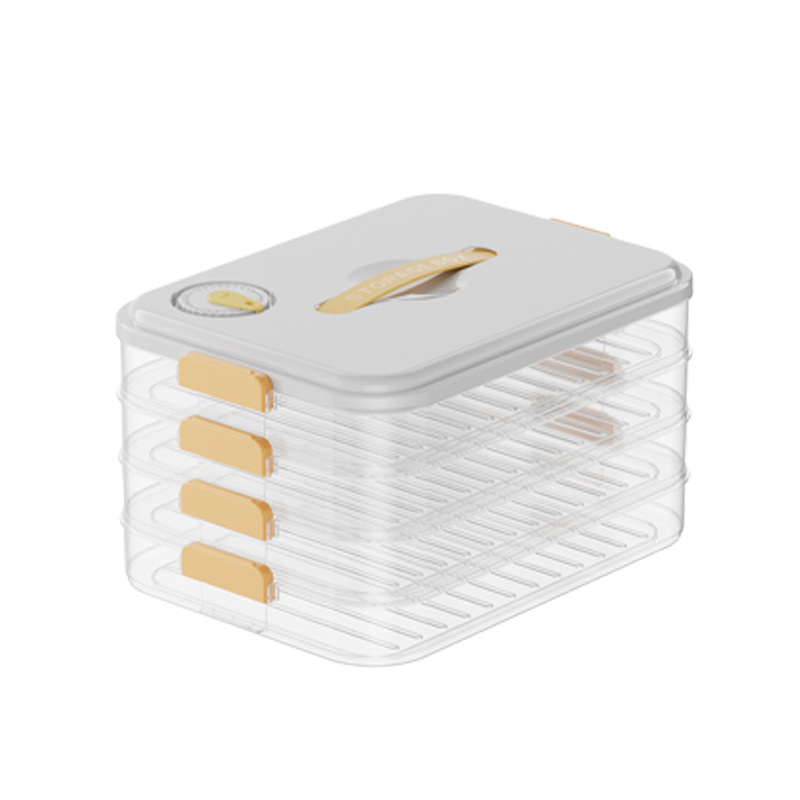
The most reliable method for identifying a safe food-grade sealed storage box is checking the Resin Identification Code (RIC). This is the number stamped inside the recycling triangle on the bottom of the container. Knowing how to read these codes allows you to instantly verify the base polymer used in manufacturing.
RIC Code | Material Name | Common Kitchen Application | Safety Profile & Thermal Limit |
|---|---|---|---|
1 (PET/PETE) | Polyethylene Terephthalate | Cold storage, beverage bottles, produce clamshells | Inherently BPA-free. Safe for cold/ambient storage. Melts at low heat. Never microwave. |
2 (HDPE) | High-Density Polyethylene | Milk jugs, opaque storage tubs | BPA-free. Highly stable. Good for long-term ambient storage. Moderate heat resistance. |
4 (LDPE) | Low-Density Polyethylene | Squeeze bottles, flexible lids | BPA-free. Very flexible. Safe for food contact but prone to melting under high heat. |
5 (PP) | Polypropylene | Reusable food containers, meal prep boxes | BPA-free. The industry standard. High heat tolerance. Resists warping in dishwashers. |
6 (PS) | Polystyrene | Disposable takeout containers, foam cups | Not safe for long-term use. Leaches styrene (a carcinogen) when exposed to heat or acid. |
Polyethylene Terephthalate (PET) is widely used for water bottles and cold food packaging. A high-quality PET refrigerator fresh-keeping box offers excellent clarity and barrier properties against oxygen and moisture. PET is inherently BPA-free and perfectly safe for cold storage and ambient temperatures. It keeps produce crisp and prevents moisture loss in the fridge. However, manufacturers design PET for limited thermal exposure. You must strictly avoid exposing PET containers to heat. Microwaving PET or washing it in high-temperature dishwasher cycles accelerates polymer degradation. This leads to potential chemical migration, structural warping, and a cloudy appearance that ruins the container.
Polypropylene (Code 5) stands as the gold standard for reusable, flexible food containers. It boasts a high melting point, making it exceptionally heat-resistant compared to other consumer plastics. PP is naturally BPA-free, BPS-free, and does not leach harmful chemicals under normal kitchen conditions. Its durability allows it to withstand repeated dishwasher cycles and microwave use without breaking down or losing its shape. When evaluating standard plastic food storage for meal prep or pantry organization, always prioritize Code 5. It offers a proven track record in food safety, structural resilience, and long-term cost efficiency.
Certain plastics have no place in a healthy kitchen. Explicitly avoid Code 3 (PVC), which contains toxic phthalates used to soften the plastic. Phthalates are known endocrine disruptors that migrate easily into fatty foods. Avoid Code 6 (Polystyrene), commonly found in cheap takeout containers. Polystyrene leaches styrene, a classified human carcinogen, especially when heated or exposed to acidic foods like lemon juice. Finally, exercise extreme caution with unverified Code 7 plastics. Code 7 is a catch-all category for "Other" plastics. Historically, this category included BPA-laden polycarbonate. Unless a Code 7 container explicitly states its exact material composition on the packaging, reject it immediately.
While unverified Code 7 plastics are dangerous, Tritan represents a premium exception within this category. Tritan is an advanced co-polyester developed by Eastman. It offers the glass-like clarity and shatter resistance of traditional polycarbonate without utilizing any bisphenols in its chemical makeup. Independent third-party testing confirms that Tritan lacks both estrogenic and androgenic activity (EA/AA free). It boasts high-temperature tolerance, resisting warping, cracking, and clouding even after hundreds of commercial dishwasher cycles. For consumers wanting the aesthetic of glass with the lightweight durability of plastic, Tritan is the safest and most resilient option available on the market today.
Assessing unbranded or supermarket-bought multifunctional fresh-keeping storage boxes requires a systematic approach. When explicit manufacturer EA-free certifications or clear marketing materials are missing, you must rely on physical indicators to determine safety.
Locate the RIC Stamp: Turn the container over and find the recycling triangle. If the code is missing entirely, do not purchase the product. Lack of a stamp indicates poor manufacturing standards.
Evaluate Material Flexibility: High-quality Polypropylene (Code 5) has a slightly flexible, robust feel and a slightly cloudy or translucent appearance. It should not feel brittle.
Check for Extreme Clarity: If a generic container is highly rigid, crystal clear, and lacks a specific material callout, it may be older polycarbonate (Code 7) or brittle polystyrene (Code 6).
Inspect the Odor: Open the container and smell the interior. Food-grade plastics should have zero chemical odor. A strong plastic smell indicates volatile organic compounds (VOCs) off-gassing from cheap materials.
Always default to verified materials when transparency is lacking. Do not risk your health on cheap, unidentifiable plastics.
A critical relationship exists between heat, material degradation, and chemical migration. Many consumers completely misunderstand the "microwave-safe" label. In regulatory terms, "microwave-safe" simply means the plastic will not melt, warp, or ignite during standard microwave heating. It does not guarantee zero chemical migration. When plastic undergoes thermal stress, the polymer chains expand. This expansion allows microscopic chemical compounds to leach out of the plastic matrix and into the food. True thermal tolerance means the plastic maintains its structural integrity without releasing volatile organic compounds. To minimize leaching risks, use plastics strictly for cold or ambient storage and transfer food to glass or ceramic plates before heating.
The lid mechanism dictates the overall performance and longevity of any storage container. Standard plastic snap-lids often fail to provide a true airtight seal. They rely on plastic-on-plastic friction, which degrades over time as the materials expand and contract. This allows air and moisture to enter, spoiling food prematurely. Premium containers utilize removable, food-grade silicone gaskets. Silicone is an inert, non-toxic material that compresses to form a completely airtight, leak-proof barrier. This prevents oxidation and freezer burn without introducing chemical contamination. Furthermore, removable gaskets allow for thorough cleaning, preventing dangerous mold and bacteria buildup in the lid crevices.
Physical design plays a major role in the utility of food storage systems. Whether outfitting a commercial kitchen or organizing a high-volume residential pantry, scalability is essential. Look for containers engineered for modular nesting and vertical stackability. Nesting allows empty containers to sit inside one another, drastically reducing required cabinet space. Standardized lid sizes across different container volumes streamline organization and prevent the frustration of mismatched parts. A well-designed modular system ensures that a 1-liter box stacks perfectly on top of a 2-liter box. Efficient space optimization directly impacts workflow speed, inventory management, and overall kitchen cleanliness.
No plastic container lasts forever. Establishing success criteria for longevity helps you know exactly when to retire old products. You must actively identify signs that a container's structural integrity is compromised. Look for micro-scratches on the interior surface caused by forks or abrasive sponges. These scratches harbor bacteria and create weak points where chemicals can escape the polymer matrix. Cloudiness or permanent discoloration indicates that the plastic has absorbed food oils and begun to degrade chemically. Warping of the base or lid means the material has suffered excessive thermal stress. Once a container exhibits these signs, it poses a leaching risk and must be discarded immediately.
Glass remains the absolute gold standard for chemical safety in food storage, though it comes with specific operational challenges.
Pros: Glass guarantees zero chemical leaching, regardless of temperature. It is completely non-porous, meaning it will never absorb food odors, retain grease, or stain from tomato sauce. High-quality borosilicate glass offers exceptional thermal shock resistance, allowing it to transition from the freezer directly to the oven without shattering.
Trade-offs: Glass carries significant weight, making it cumbersome for daily transport in lunchbags or catering bins. Breakability risks remain a constant concern in busy, fast-paced kitchens. Additionally, the higher logistical costs for shipping and handling glass products often translate to higher retail prices for the consumer.
Stainless steel offers a rugged, industrial alternative for specific storage needs where durability is the primary concern.
Pros: Food-grade stainless steel (like 304 or 18/8 grade) provides extreme durability. It is practically indestructible, very lightweight, and completely non-toxic. It will not leach chemicals, crack, warp, or shatter when dropped on a hard tile floor.
Trade-offs: Steel is entirely opaque, meaning you cannot see the contents without opening the lid. This slows down kitchen inventory checks and meal prep identification. Most importantly, stainless steel is strictly non-microwavable, severely limiting its utility for reheating leftovers at home or in the office.
Evaluating the true cost of food storage requires a long-term trade-off analysis rather than just looking at the sticker price. Cheap Polypropylene (PP) containers have a low upfront cost but a shorter lifespan. They scratch easily and warp over time, requiring frequent replacement every few months. Premium BPA-free plastics like Tritan carry a higher initial price tag but resist scratching and clouding, lasting years longer than standard PP. Glass requires a moderate to high upfront investment and lasts indefinitely—unless dropped. When factoring in the replacement frequency of cheap plastics and the breakage rates of glass, investing in premium, EA-free plastics or durable glass yields the best cost-to-lifespan ratio for serious kitchens.
One of the most pervasive risks in food storage is the "hot food safe" myth. Misleading manufacturer claims often suggest that BPA-free plastics are universally safe for boiling liquids or piping hot foods straight from the stove. This is a dangerous oversimplification. Regardless of "microwave-safe" labels, heat accelerates chemical migration in all plastics. To mitigate long-term chemical exposure, adopt a strict operational guideline: never microwave food in plastic. Always transfer meals to glass or ceramic plates before heating. Additionally, allow hot leftovers to cool slightly on the counter before sealing them in plastic containers for refrigerator storage. This prevents steam buildup and thermal shock to the polymer.
The chemical composition of your food directly impacts the lifespan and safety of your containers. Highly acidic foods, such as tomato sauce, vinegar-based dressings, and citrus juices, act as mild solvents. Over time, they slowly break down the surface layer of plastic polymers. High-fat foods, including heavy oils, butter, and cheese, pose an even greater risk. Fats reach extremely high temperatures very quickly in the microwave, easily exceeding the melting point of standard plastics. This causes pitting, blistering, and accelerated chemical leaching into the food. Store highly acidic or fatty foods in glass or stainless steel whenever possible to preserve your plastic inventory and protect your health.
Routine maintenance dictates how long your containers remain safe for use. Improper cleaning creates micro-abrasions where bacteria harbor and chemicals escape. Follow these strict protocols to extend the life of your storage boxes.
Never use abrasive scouring pads, steel wool, or stiff-bristled brushes on plastic surfaces.
Avoid harsh, industrial-strength detergents or bleach solutions that can strip the polymer finish and cause brittleness.
Wash plastics with warm water, mild dish soap, and a soft non-abrasive sponge.
If using a dishwasher, place all plastic containers on the top rack only. The heating element at the bottom of the machine causes severe warping.
Remove and wash silicone lid gaskets separately every week to prevent black mold growth in the seal channels.
Audit your current kitchen inventory and immediately discard any plastic containers showing deep scratches, cloudiness, or structural warping.
Flip every remaining container to verify the Resin Identification Code, keeping only those stamped with 1, 2, 4, or 5 for food contact.
Transition all reheating processes to glass or ceramic plates, strictly reserving your plastic containers for cold or ambient storage.
Source replacement containers from transparent manufacturers that provide explicit EA-free and BPS-free certifications alongside standard BPA-free labels.
A: Turn the container over and check the recycling triangle on the bottom. Plastics stamped with codes 1, 2, 4, or 5 are inherently BPA-free. For maximum safety, look beyond the code and check the manufacturer's packaging or website for explicit EA-free (Estrogenic Activity-free) certifications.
A: While BPA-free is a necessary baseline, it is not enough for vulnerable populations. Parents should look for explicit EA-free and BPS-free certifications. Prioritize Code 5 Polypropylene or Tritan plastics. Most importantly, never heat baby food or children's meals directly in these plastic containers.
A: PET (Code 1) is perfectly safe for cold and ambient food storage. It provides an excellent barrier against moisture. However, it should never be subjected to heat, hot water, dishwasher cycles, or prolonged UV exposure, as these elements cause PET to degrade and potentially leach chemicals.
A: No. A "microwave-safe" label strictly means the plastic will not melt, warp, or catch fire during standard microwave use. It does not guarantee zero chemical migration under high heat. To completely avoid leaching, transfer food to glass or ceramic before microwaving.
A: Code 5 (Polypropylene or PP) is widely considered the safest and most stable plastic for reusable food storage. It is naturally free of BPA and BPS, highly durable, and possesses a high heat tolerance compared to other standard consumer plastics.
A: Not necessarily. Many manufacturers replace BPA with BPS or BPF, which are chemically similar and carry the same endocrine-disrupting risks. Other plastics may contain phthalates or styrene. To ensure a container is non-toxic, it must be free of all bisphenols and estrogenic activity.
A: Replace plastic containers when they show physical signs of degradation. Visual cues include deep micro-scratches on the interior, permanent food staining, lingering odors that washing cannot remove, or a generally cloudy appearance. These signs indicate the polymer matrix is breaking down.


