

Views: 0 Author: Site Editor Publish Time: 2026-09-05 Origin: Site


Off-grid sanitation demands serious planning and execution. Campers often underestimate the structural and biological risks of improper waste management. Many outdoor enthusiasts restrict their systems to liquids only. They fear solid waste clogs and lingering sewer smells inside their living spaces. Proper system management eliminates this anxiety entirely. You do not need to restrict your habits when using the right gear.
Selecting and deploying a sanitation system requires mitigating specific hazards. You must prevent structural failure under load. You must avoid biohazard leaks during transport. Chemical exposure and environmental contamination remain constant threats in the backcountry. This guide moves beyond basic convenience. We break down the technical evaluation of sanitation gear. You will learn safe deployment protocols and maintenance frameworks. These steps ensure a secure, hygienic camping experience for everyone involved.
Structural Verification is Non-Negotiable: Relying on unverified weight capacities leads to equipment failure; prioritizing specific material compositions (like ABS-PP) ensures long-term stability.
Terrain Dictates Stability: Even premium models require strict setup protocols, including level ground and anti-slip mechanisms, to prevent tipping and user injury.
Chemical and Biological Safety: Proper handling of enzymatic treatments, post-dump priming, and strict adherence to black-water disposal protocols are required to prevent cross-contamination and gas buildup.
Lifecycle Maintenance Impacts Safety: Harsh chemical cleaners degrade seals and plastics over time; using manufacturer-approved sanitization methods and tools prevents micro-fractures and leaks.
You must establish a clear baseline for sanitation safety before heading off-grid. Emergency backup solutions differ vastly from primary, multi-day sanitation systems. A simple bucket with a seat works for a single night. It fails completely during a week-long excursion. Primary systems require sealed containment and structural rigidity. They must withstand repeated use by multiple people. You cannot compromise on these baseline requirements. Failing to distinguish between emergency and primary gear leads to unhygienic conditions. It also increases the risk of equipment failure in remote locations.
To evaluate a primary sanitation system, verify these baseline safety requirements:
Positive locking latches that secure the waste tank to the seating platform.
A sealed blade valve that separates the bowl from the holding tank.
An integrated pressure release vent to manage gas expansion.
A wide, stable footprint that resists lateral tipping forces.
Specific design elements directly correlate to user safety and leak prevention. Seal integrity prevents biohazardous liquids from escaping during transport. A wide base prevents the unit from tipping over on uneven ground. Material flexibility absorbs dynamic weight shifts without cracking. You must map these features to your expected outcomes. If you travel over rough terrain, prioritize heavy-duty seals and locking latches. If you camp with children or elderly users, prioritize a wide base and ergonomic height. Every feature serves a specific safety function.
Sanitation System Types and Safety Profiles | |||
System Type | Primary Use Case | Spill Risk Level | Maintenance Requirement |
|---|---|---|---|
Cassette System | Multi-day basecamps, RVs | Low (if seals are maintained) | High (requires chemical management and dump stations) |
Folding Bag System | Pack-out environments, remote hiking | Medium (puncture risks) | Low (dispose of bags daily) |
Emergency Bucket | Overnight emergencies only | High (no sealed containment) | Medium (requires immediate cleaning) |
Aligning equipment choices with environmental regulations is mandatory. You must follow "Leave No Trace" principles at all times. Local regulations govern solid waste and chemical disposal. Some areas prohibit burying solid waste entirely. You must pack out all human waste in these sensitive environments. Bagged systems work well for pack-out requirements. Cassette systems require designated dump stations. You cannot dump chemically treated waste into pit toilets or natural water sources. Doing so destroys local ecosystems and violates federal laws.
You must critically evaluate load-bearing claims before purchasing sanitation gear. Manufacturers often test products under static weight conditions. A static test places a perfectly still weight on the center of the seat. Real-world use involves dynamic weight. Users shift, lean, and adjust their position. This movement places uneven stress on the frame and hinges. A 100 kg load-bearing toilet stool must handle dynamic movement without buckling. When a user sits down quickly, the downward force multiplies. The frame must absorb this shock without transferring the stress to the locking joints.
You should inspect the leg locking mechanisms carefully. Weak locks collapse under lateral pressure. Structural fatigue occurs in folding mechanisms over repeated use. You must inspect these joints before every trip. Look for stress marks or whitening in the plastic. These signs indicate impending structural failure. If you see white stress lines near a hinge, retire the unit immediately.
Material composition dictates the lifespan and safety of your equipment. Standard PVC becomes brittle in freezing temperatures. Low-density plastics warp under extreme heat. An ABS-PP folding camping toilet offers superior impact resistance. Acrylonitrile Butadiene Styrene (ABS) provides rigid structural support. Polypropylene (PP) offers excellent chemical resistance and thermal stability. This combination prevents cracking during winter storage. It also resists UV degradation when used outdoors.
Chemical corrosion from waste treatments destroys inferior plastics over time. High-grade ABS-PP withstands these harsh enzymatic and chemical environments. When evaluating a unit, press firmly on the side walls of the holding tank. The plastic should feel rigid, with only a slight flex. If the plastic bows inward easily, it lacks the density required for safe transport.
Comparison of Common Sanitation Gear Materials | |||
Material Type | Impact Resistance | Thermal Stability | Chemical Resistance |
|---|---|---|---|
ABS-PP Blend | High | Excellent (Handles extreme hot and cold) | High (Resists enzymatic treatments) |
Standard PVC | Medium | Poor (Becomes brittle in cold) | Medium |
High-Density Polyethylene (HDPE) | High | Good | High |
Low-Density Polyethylene (LDPE) | Low | Medium (Prone to warping in heat) | Low (Degrades with harsh chemicals) |
Collapsible models rely entirely on their hinges and joints. These components represent the weakest points in the design. You must inspect locking mechanisms for positive engagement. A loose hinge will fail mid-use. This failure causes immediate physical injury and biohazard spills. Dirt and sand compromise hinge integrity over time. You must clean these joints thoroughly after every trip. Apply a dry silicone spray to keep them functioning smoothly. Never use oil-based lubricants on plastic hinges. Oil attracts dirt and accelerates wear.
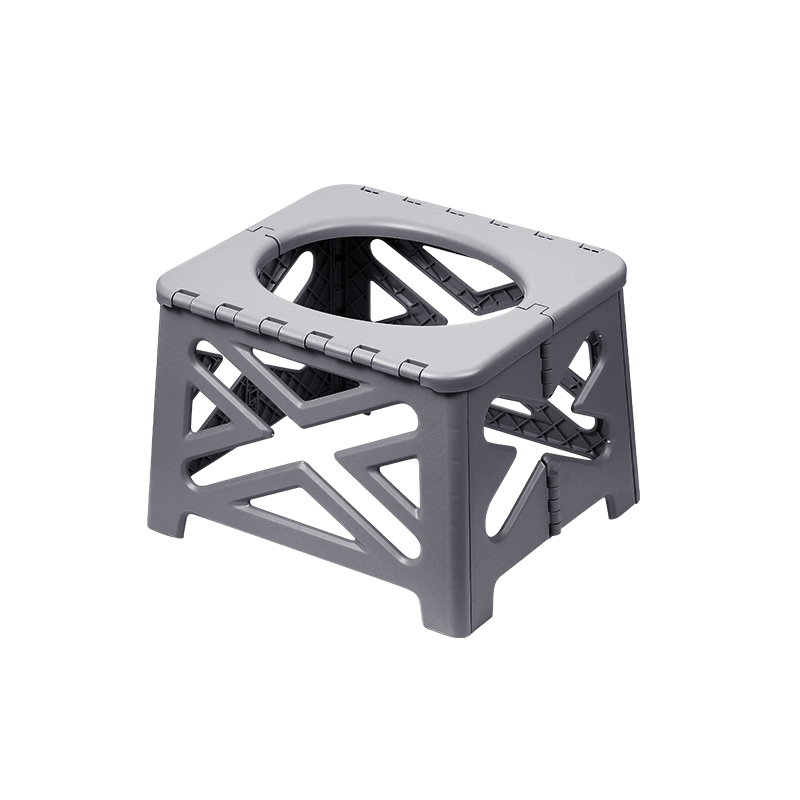
Proper site selection prevents accidents and environmental contamination. You must identify load-bearing, level ground. Avoid setting up on loose sand or deep mud. Keep the setup at least 200 feet away from any water sources. This distance prevents accidental contamination of drinking water. Soft soil poses a significant tipping risk. The legs will sink unevenly under weight. You must mitigate soft soil risks using stabilization boards. A simple piece of plywood distributes the weight evenly. This creates a stable platform regardless of the underlying soil conditions.
Follow this site preparation sequence for maximum stability:
Clear the designated area of rocks, roots, and debris.
Check the ground level using a small bubble level or a smartphone app.
Place a 24x24 inch piece of exterior-grade plywood over soft soil or sand.
Position the unit on the board and apply downward pressure to test for rocking.
Adjust the board placement until the unit sits completely flush.
Wet or muddy conditions severely compromise equipment stability. You must evaluate the efficacy of the base design. An anti-slip detachable potty chair provides essential grip on slick surfaces. Rubberized feet offer superior traction compared to textured plastic bases. Plastic bases slide easily on wet tent floors or muddy ground. Rubber feet grip the surface and prevent lateral movement. However, rubber degrades faster than plastic. You must inspect the rubber feet for wear and tear. Replace them immediately if they harden or crack.
Ergonomics directly impact user safety. The height and seat dimensions must support safe transfer. Users with limited mobility face higher fall risks. A seat that sits too low requires excessive leg strength to stand up. This increases the likelihood of tipping the unit backward. Ensure the seat height matches a standard household fixture. Wide seat dimensions distribute weight comfortably. This reduces pressure points and helps users maintain their balance. Proper ergonomics turn a precarious situation into a safe, routine process.
Waste treatment chemicals require careful handling and storage. You must understand the difference between available options. Formaldehyde-based treatments kill all bacteria and mask odors heavily. They are highly toxic and banned in many campgrounds. Enzymatic and bio-active treatments use natural bacteria to break down waste. They are safer for the environment and septic systems. You must implement strict safe storage protocols. Keep all chemicals in sealed, child-proof containers. Store them away from food and fresh water supplies. Accidental ingestion or skin contact causes severe medical emergencies.
Post-dump priming is a critical, often overlooked step. You must add a baseline of water immediately after emptying the tank. One gallon of water is the standard recommendation. Add fresh enzymes to this water. This starts the breakdown process immediately. It minimizes chunks and keeps things flowing smoothly. Failing to prime the tank leads to dried solids sticking to the bottom. This creates permanent odors and difficult cleaning scenarios.
Execute this priming sequence after every dump:
Close the blade valve completely.
Pour one gallon of fresh water directly into the holding tank.
Add the manufacturer-recommended dose of enzymatic treatment.
Agitate the tank gently to mix the solution.
Open and close the blade valve once to lubricate the rubber seal with the treated water.
Sealed waste tanks generate methane and other gases. You must understand the venting mechanisms in cassette-style units. These vents release pressure safely. If the vent clogs, the tank pressurizes. A pressurized tank will spray waste when you open the flush valve. You must keep the vent clear of debris. Temperature plays a massive role in gas production. Heat accelerates bacterial off-gassing and pressure expansion. Never leave a sealed unit in a hot vehicle or direct sunlight. Vent the tank manually if you notice the sides bulging.
Transporting full waste tanks introduces significant spill risks. You must evaluate valve seals and O-rings before moving the unit. Check the latch tension for watertight integrity. A loose latch allows the upper and lower halves to separate slightly. This separation causes immediate leaks. You must employ secondary containment strategies for transport. Place the entire unit inside a heavy-duty plastic bin. Secure the bin in your vehicle to prevent tipping. This secondary layer catches any accidental leaks before they ruin your vehicle interior.
Emptying cassette tanks requires strict safety procedures. You must use designated dump stations or RV hookups. Wear dedicated gloves and protective eyewear. Open the air release valve while pouring. This prevents glugging and splashing. Rinse the tank thoroughly with non-potable water after dumping. Never use the fresh water hose for rinsing. This causes immediate cross-contamination.
Valve management at hookups dictates the health of your system. You must never leave the black tank valve open at RV hookups. Leaving it open drains the liquids immediately. The solids remain behind and dry out. This directly causes the dreaded "poop pyramid." This pyramid hardens like concrete and destroys the tank. Keep valves closed until the tank is completely full. Dump the entire volume at once to flush out all solids.
Minimizing chunks requires proactive management. You must use rapid-dissolving, RV-safe toilet paper. Standard household paper does not break down fast enough. It clogs valves and sensors. You must also maintain a generous water-to-solid ratio. Generous flushing prevents plumbing blockages. Water is your best tool for keeping the system functional.
Cross-contamination causes severe gastrointestinal illness. You must strictly separate freshwater hoses from black-water cleaning tools. Use different colors for different tasks. A white hose designates fresh drinking water. An orange or black hose designates waste tank flushing. Never store these hoses in the same compartment. Use dedicated, color-coded sanitation gloves. Keep sanitizing wipes specifically for cleaning the exterior of the waste tank. Never use these wipes on food preparation surfaces.
Folding models often utilize bagged waste systems. You must evaluate the puncture resistance of the bags you choose. Compostable bags break down quickly. They are prone to tearing if snagged on a branch or sharp rock. Synthetic waste bags offer higher puncture resistance. You must use gelling agents, commonly known as poo powder, inside the bags. These agents solidify liquids and neutralize odors. They prevent liquid spills if the bag suffers a minor puncture. Always double-bag waste before transporting it out of the wilderness.
Improper cleaning methods destroy sanitation equipment rapidly. Bleach and harsh household cleaners degrade rubber seals. They cause O-rings to dry out, crack, and fail. Abrasive brushes create micro-abrasions in the plastic surfaces. Bacteria thrive inside these microscopic scratches. This leads to permanent, lingering odors that you cannot wash away. You must select the right cleaning tools. Utilize soft silicone brushes to clean the bowl. Use manufacturer-recommended enzymatic cleaners. These products clean effectively without damaging the interior tank walls.
Valve maintenance requires specific attention. The blade valve controls the flow between the bowl and the holding tank. The rubber lip seal around this valve must remain lubricated. Apply a dedicated silicone lubricant to the valve and O-rings twice a year. This prevents the rubber from sticking or tearing. Never use petroleum jelly. Petroleum products degrade rubber rapidly and cause massive leaks.
Troubleshooting Common Sanitation System Issues | ||
Symptom | Likely Cause | Corrective Action |
|---|---|---|
Persistent Odor | Inadequate water priming or dead enzymes | Flush tank, add 1 gallon water, and double the enzyme dose. |
Stiff Blade Valve | Dry or degraded rubber lip seal | Clean track and apply plumber's silicone grease. |
Pressure Spray on Flush | Clogged air release vent | Clear vent tube of debris and avoid storing in direct heat. |
Proper storage extends the life of your equipment by years. Winterization protocols are mandatory in cold climates. You must ensure tanks are completely dry before freezing temperatures arrive. Any residual water will freeze, expand, and crack the plastic housing. If you cannot dry the tank completely, pour a cup of RV antifreeze into the holding tank. Leave the blade valve partially open during storage. This prevents the rubber seal from compressing and sticking to the plastic. Store the unit away from direct sunlight. Ultraviolet rays cause plastic embrittlement. Brittle plastic shatters easily under normal body weight.
A portable toilet is a critical piece of safety equipment, not just a comfort item. Prioritizing material strength, stable design, and secure containment outweighs the appeal of ultra-lightweight or budget options. Structural failure or biohazard leaks in remote locations create severe health risks. You must treat this gear with the same respect as your first aid kit or shelter.
When evaluating options, buyers must filter by verified load capacities and ABS-PP construction. You must look for integrated anti-slip features. Match the system type to your specific disposal capabilities. A cassette system works well if you have access to dump stations. A folding bag system works best for strict pack-out environments.
Audit your current camping sanitation setup for hairline cracks or worn rubber seals.
Upgrade any structurally compromised folding units to models with verified weight ratings.
Establish a strict, documented protocol for chemical handling and post-dump priming.
Purchase color-coded hoses and gloves to eliminate cross-contamination risks.
A: Always set up on firm, level ground. Avoid soft mud or loose sand. Use a flat stabilization board or piece of plywood under the unit if the ground is uneven. Select models featuring wide bases and integrated rubber anti-slip feet to maximize grip and prevent lateral sliding during use.
A: Yes, it is completely safe. Proper enzymatic treatments and adequate water priming break down solid waste efficiently. A structurally sound unit manages solid waste without lingering odors or clogs. You do not need to restrict usage to liquids only if you maintain the system correctly.
A: Keep the black tank valve completely closed at RV hookups until the tank is full. Leaving it open drains liquids and leaves solids to harden. Always use rapid-dissolving, RV-safe toilet paper. Maintain a high water-to-solid ratio by flushing generously with water after every use.
A: Empty cassette tanks only at designated RV dump stations or approved municipal hookups. Wear protective gloves and rinse the tank thoroughly. For bagged systems, double-bag the solid waste with puncture-resistant materials. Pack it out and dispose of it in approved municipal trash receptacles according to local regulations.
A: No. Harsh chemicals like bleach degrade rubber seals and O-rings, causing severe leaks. Stiff abrasive brushes create micro-abrasions in the plastic where odor-causing bacteria thrive. Use only manufacturer-approved enzymatic cleaners and soft silicone brushes to protect the interior surfaces and seals.
A: High temperatures accelerate bacterial off-gassing. Odors also occur if you fail to prime the tank with a gallon of water and enzymes immediately after dumping. Inadequate water ratios during use or degraded rubber blade seals will also allow sewer gases to escape into your living space.


