

Views: 0 Author: Site Editor Publish Time: 2026-08-20 Origin: Site


Poor packaging procurement carries severe financial and reputational risks. Reactive materials in cheap inserts cause rapid tarnishing of precious metals, destroying inventory value overnight. Flimsy outer shells lead to high return rates from transit damage, while misaligned aesthetics damage brand perception before the customer even touches the product. Retailers and procurement managers constantly struggle to balance unit cost with stringent material safety requirements. Accurate dimension mapping and scalable minimum order quantities complicate the sourcing process further, often leaving buyers trapped between high minimums and subpar quality. This technical evaluation checklist helps buyers audit current inventory and define structural specifications from the ground up. You will learn how to issue precise RFQs, navigate tooling fees, and vet wholesale manufacturers effectively to protect your merchandise and your margins.
Material Chemistry is Non-Negotiable: Inserts must hold verifiable acid-free and sulfur-free certifications to prevent rapid tarnishing of precious metals and save thousands in potential returns.
Precision in RFQs Drives Favorable Pricing: Ambiguous RFQs lead to hidden tooling costs; exact specifications for dimensions, materials, secondary components, and structural integrity are required for accurate landed cost calculations.
Supplier Capabilities Vary Widely: Distinguishing between direct manufacturers and trading companies is critical for controlling lead times, quality control (QC) checkpoints, and custom mold fees.
Diversified Storage Drives Upsells: Sourcing specialized units alongside standard packaging allows retailers to capture higher average order values (AOV) from VIP clients.
Before contacting suppliers, you must conduct a rigorous audit of your current inventory. Categorize your merchandise into distinct groups such as rings, necklaces, bracelets, and multi-piece sets. Each category demands specific insert configurations. A standard ring requires a precise foam slit, while a delicate chain necklace needs routing hooks to prevent tangling. Map the physical volume of your top-selling items using digital calipers.
Group inventory by form factor and metal type.
Measure the maximum outer dimensions of each piece, accounting for chain bunching or rigid cuffs.
Define the required cavity depth to ensure the lid closes without compressing the jewelry.
Establish clearance margins around the piece for easy finger access.
Defining internal versus external dimension tolerances ensures a precise fit without excessive void fill. Internal dimensions dictate how snugly the jewelry sits inside the cavity. Allow a clearance of two to three millimeters around the product. External dimensions impact your shipping logistics and storage density. Oversized outer dimensions inflate freight costs and waste warehouse space. Specify acceptable tolerance margins, typically plus or minus one millimeter, to maintain consistency across mass production runs.
Establishing a strict packaging budget ratio protects your overall profit margins. The industry standard dictates allocating three to five percent of the jewelry piece's retail value to its packaging. High-end luxury items justify pushing this ratio slightly higher, while fast-fashion accessories require leaner allocations. Apply this percentage strictly during the design phase to prevent scope creep. If a velvet-lined rigid board pushes you past the target ratio, pivot to a more cost-effective material like textured paper over a lighter core.
Calculate the return on investment of premium packaging by factoring in secondary operational savings. High-quality structural designs lower transit damage rates. Acid-free inserts eliminate tarnish-related returns. An exceptional unboxing experience increases customer lifetime value and organic social media sharing. When evaluating a slightly higher unit cost for a superior jewelry box, offset that expense against the projected reduction in replacement shipments and customer service labor.
Retail Category | Target Packaging Budget | Typical Material Specification |
|---|---|---|
Fast Fashion (Under $50) | 3% - 4% | 300 GSM folding carton, die-cut paper insert |
Mid-Market ($50 - $200) | 4% - 5% | 800 GSM rigid box, EVA foam with velvet top |
Fine Jewelry ($200+) | 5% - 7% | 1200 GSM rigid board or wood core, microfiber pouch, PU leather wrap |
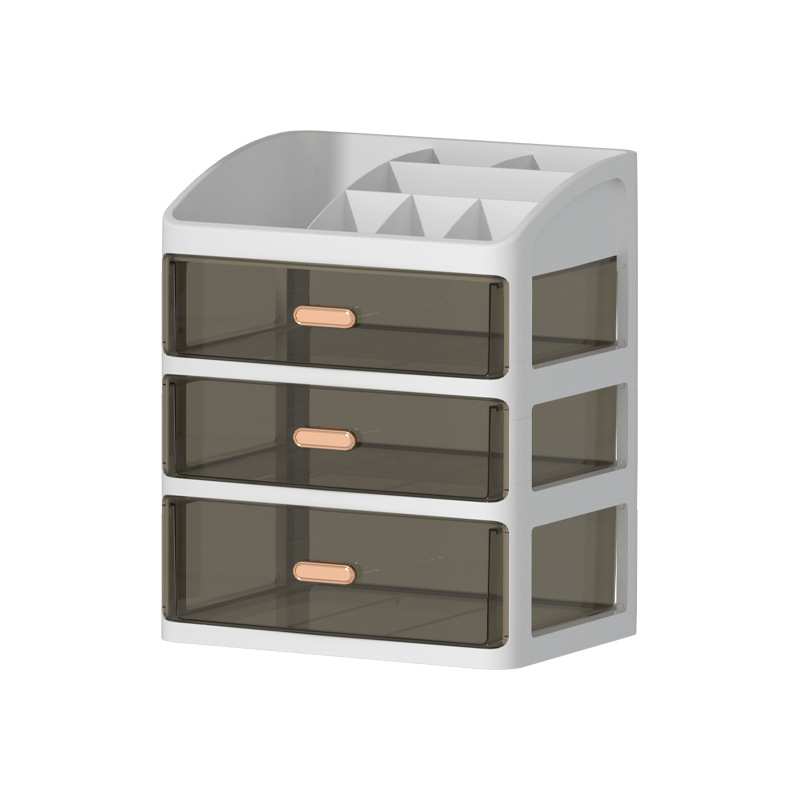
Sourcing multi-functional, modular storage units for retail sale diversifies your product offerings. Customers who purchase multiple pieces of jewelry eventually require comprehensive home storage solutions. Offering a stackable cosmetic jewelry organizer allows you to capture additional revenue from your existing client base. These modular systems appeal to consumers looking to consolidate their vanity spaces, blending cosmetic storage with secure compartments for valuables.
Evaluate stackable units based on strict structural criteria. The interlocking mechanism must provide a seamless, secure fit to prevent tipping when stacked multiple tiers high. Assess the thickness of the primary material. Acrylic walls should be a minimum of three to four millimeters thick to resist cracking under load. Inspect the injection molding gates on plastic units; poorly finished gates leave sharp edges that scratch furniture. Wood composites require robust edge banding to prevent moisture swelling.
Translate your brand identity and target audience demographics directly into physical packaging specifications. A minimalist, eco-conscious brand targeting younger consumers should utilize unbleached kraft paper, soy-based inks, and molded pulp inserts. A heritage brand catering to traditional luxury buyers requires high-gloss lacquer finishes, heavy MDF cores, and plush microfiber interiors. The tactile feedback of the material must match the expected brand prestige.
Establish baseline success criteria for the unboxing experience. The closure mechanism dictates perceived value. Friction-fit lids should offer a slight vacuum resistance when pulled apart, indicating precise manufacturing tolerances. Magnetic closures must utilize high-grade neodymium magnets (N42 or N52 strength) hidden seamlessly beneath the paper wrap to provide a satisfying, audible snap. Tactile finishes, such as soft-touch lamination or deep blind embossing, elevate the sensory experience.
The chemical composition of your packaging inserts directly impacts the integrity of your merchandise. Cheap paper, standard cardboard, and low-grade foam contain trace amounts of sulfur and acidic compounds left over from the manufacturing process. When exposed to ambient moisture, these chemicals react aggressively with silver and gold alloys. This reaction produces silver sulfide, which manifests as a dark, stubborn tarnish on the metal surface. Tarnishing occurs within weeks of packaging, ruining the product before it reaches the end consumer.
Demanding acid-free and sulfur-free certifications prevents thousands of dollars in damaged goods and unsellable inventory. Do not rely on verbal assurances from suppliers. Require documented proof of material safety.
Request independent laboratory testing reports (such as TAPPI T 406) confirming reducible sulfur levels are below detectable limits.
Verify pH-neutral certifications for all paper-based components touching the jewelry.
Demand safety data sheets (SDS) for all adhesives used in the insert assembly to ensure they do not off-gas corrosive volatile organic compounds (VOCs).
Ensure any anti-tarnish fabric linings are treated with verified silver-binding agents.
Material requirements differ vastly depending on your primary distribution channel. E-commerce transit demands high crush resistance. Packages endure rough handling, stacking pressure, and drop impacts. E-commerce packaging features corrugated outer mailers, typically utilizing E-flute or B-flute board, combined with shock-absorbing internal foam. Brick-and-mortar display packaging prioritizes aesthetic presentation. These units utilize rigid greyboard cores wrapped in premium textured papers or velvet, designed to sit pristine on a glass shelf.
Understand the trade-offs between paperboard density and overall unit weight. Density is measured in grams per square meter (GSM). A standard folding carton uses 300 GSM cardstock, while a luxury rigid setup box requires 800 to 1200 GSM greyboard. Higher GSM increases crush resistance and perceived quality but drives up the volumetric and actual weight of the shipment. Balance the GSM specifications to achieve the necessary structural integrity without inflating your ocean or air freight costs unnecessarily.
Regulatory frameworks and consumer preferences are shifting rapidly toward sustainable packaging. Current trends favor Forest Stewardship Council (FSC) certified paper, which guarantees the wood pulp originates from responsibly managed forests. Soy-based or water-based inks are replacing petroleum-based alternatives to improve recyclability. Biodegradable foams, derived from cornstarch or mushroom mycelium, are emerging as viable alternatives to traditional EVA or PU foams.
Future-proof your supply chain against upcoming 2026 global sustainability regulations. Extended Producer Responsibility (EPR) laws are expanding across Europe and North America. These laws hold brands financially accountable for the end-of-life disposal of their packaging. Implementing easily recyclable, mono-material designs now reduces your future EPR tax liabilities. Plastic taxes are also increasing globally, penalizing the use of virgin petrochemical plastics in packaging inserts.
Acknowledge the cost implications and supply chain realities of sourcing genuine sustainable materials. Authentic FSC-certified materials and biodegradable inserts carry a premium over conventional options. Suppliers may claim materials are eco-friendly without providing the necessary chain-of-custody documentation. Audit the certifications independently to ensure your brand claims remain legally compliant and transparent.
When sourcing a drawer jewelry storage box, hardware evaluation dictates the user experience. Drawers must pull out effortlessly without catching or requiring excessive force. Specify ball-bearing metal glides for heavier units, while lighter acrylic units rely on precision-molded plastic tracks. Specify the inclusion of stopper pins. Stoppers prevent the drawer from being accidentally pulled completely out of the housing, which spills valuable contents. Evaluate the knob or handle durability. Hardware should be bolted through the drawer face, not merely glued, to withstand years of daily use.
Compartmentalization strategies maximize utility for the end-user. A mix of removable dividers and fixed slots offers the best versatility. Fixed ring rolls provide secure, dense storage for smaller items. Removable grid dividers allow the user to customize cavity sizes for chunky bracelets or oversized watches. Ensure the internal lining material wraps cleanly around all dividers without visible glue stains or fraying edges.
Frame the sourcing of a large capacity jewelry storage cabinet as a premium retail product or a VIP client gift. This requires distinct sourcing protocols separate from standard disposable packaging. These are furniture-grade items that demand rigorous structural evaluation. Assess the core material. Medium-Density Fiberboard (MDF) provides a smooth, stable surface for veneers and prevents warping in humid environments. Specify E0 or E1 grade MDF to ensure formaldehyde emissions remain within safe indoor limits. Solid wood cores offer higher prestige but require careful kiln-drying to prevent future cracking.
Anti-tarnish lining must cover large surface areas flawlessly. The fabric must be stretched tight and adhered evenly to prevent bubbling over time. Secure locking mechanisms are required for high-capacity units storing significant value. Specify brass or stainless steel locksets with unique keying.
Address the logistical challenges specific to large capacity cabinets. These units are heavy and bulky. Freight weight calculations must be precise. Require palletization standards from your supplier to prevent forklift damage during transit. Demand drop-testing certifications, such as ISTA 3A, to ensure the internal mirrors, glass panels, and delicate hinges survive the international shipping journey intact.
An ambiguous RFQ leads directly to hidden tooling costs and inaccurate pricing. Your RFQ must be a comprehensive structural document. Detail the exact external and internal dimensions in millimeters. Provide a complete material breakdown, specifying the core board GSM, the exterior wrap material, and the exact foam density for the insert. Define the closure type clearly. Specify the print method, whether it is foil stamping, blind embossing, or UV spot coating, and include the target MOQ for the initial run.
Include all secondary packaging components in the initial RFQ to avoid piecemeal pricing later. If your product requires an outer protective sleeve, a branded ribbon, a microfiber pouch, or custom tissue paper, bundle these into the primary quote. Sourcing these elements separately results in mismatched colors, misaligned sizing, and inflated shipping costs from multiple vendors.
RFQ Specification Category | Required Details to Provide to Supplier |
|---|---|
Dimensions | Internal and External (L x W x H) in millimeters, plus acceptable tolerances (+/- 1mm). |
Core Materials | Greyboard GSM (e.g., 1000 GSM), MDF thickness, or plastic polymer type. |
Exterior Finish | Paper type (e.g., 157gsm art paper with matte lamination), PU leather, or wood veneer. |
Insert Specifications | Material (EVA, PU sponge, velvet), die-cut shapes, and sulfur-free certification requirement. |
Branding & Print | Logo placement, foil color, debossing depth, and Pantone (PMS) color codes. |
Secondary Elements | Outer corrugated mailers, ribbons, silica gel packets, and protective polybags. |
Custom inserts trigger upfront tooling fees. If your design requires injection-molded plastic cavities or custom CNC-milled EVA foam, the factory must create specific steel or aluminum molds. Die-cut paper inserts require custom steel-rule dies. These setup costs are unavoidable for bespoke designs but must be transparently quoted.
Negotiate mold ownership before paying the invoice. Ensure your contract explicitly states that the custom molds are your exclusive property and cannot be used for other clients. Amortize tooling costs across future production runs. While the initial run carries the heavy setup fee, subsequent reorders should only reflect the base unit cost. Clarify the lifespan of the mold with the supplier to understand when a replacement fee might be necessary.
Never proceed to mass production based solely on digital renderings. Differentiate between the types of samples available. Digital proofs confirm artwork placement and spelling. Blank structural samples, often called white dummies, allow you to test the physical dimensions and insert fit without the cost of custom printing. Fully finished pre-production samples (PPS) represent the exact final product, including all materials, colors, and finishes.
Insert your actual jewelry into the PPS to verify the fit and clearance.
Conduct a shake test to ensure the pieces do not dislodge from the cavities.
Open and close the hinges repeatedly to check for premature wear or squeaking.
Inspect the glue lines under bright lighting to identify any sloppy assembly or excess adhesive seepage.
Test the magnetic closure strength to ensure it holds the lid securely during handling.
Identifying whether a supplier is a direct factory or a trading company dictates how you manage your supply chain. Direct manufacturers own the machinery and control the production schedule. They offer better base pricing and allow for deeper customization, but they enforce higher MOQs. Trading companies act as middlemen. They offer a broader catalog of pre-designed items, lower MOQs, and easier communication, but they charge a markup on the unit cost and have less control over sudden quality shifts.
Request key audit documents to verify the supplier's operational status. Ask for their ISO 9001 quality management certification. Request a copy of their official Chinese business license to verify their registered capital and scope of business. Demand recent third-party audit reports, such as Sedex or BSCI, to ensure they adhere to ethical labor practices and environmental standards.
Implement a standard Acceptable Quality Limit (AQL) inspection framework for every order. The AQL standard dictates the maximum number of defective units allowed in a randomized sample size before the entire batch is rejected. For premium packaging, an AQL of 1.5 for major defects and 2.5 for minor defects is standard. Check for specific issues such as visible glue stains, misaligned hinges, print registration errors, and crushed corners.
Utilize third-party QC inspectors prior to final payment and container loading. Independent inspectors visit the factory floor, pull random cartons, and execute your specific testing protocols. They provide detailed photographic reports. Only release the final balance payment once the third-party report confirms the shipment meets your defined AQL standards.
Defect Classification | Examples in Jewelry Packaging | Standard AQL Tolerance |
|---|---|---|
Critical Defect | Mold growth, sharp exposed nails, toxic chemical smell. | 0.0 (Zero tolerance, batch rejected) |
Major Defect | Broken hinges, missing inserts, incorrect logo spelling, torn outer wrap. | 1.5 |
Minor Defect | Slight glue residue on bottom, minor color variance, small scratch on interior. | 2.5 |
Understand the hidden costs of wholesale sourcing to calculate your true profit margins. Ocean freight is highly cost-effective for bulky packaging but requires a transit lead time of four to six weeks. Air freight is fast but prohibitively expensive for heavy or voluminous items. Packaging is billed based on volumetric weight rather than actual weight. The standard formula calculates length multiplied by width multiplied by height in centimeters, divided by 5000. You pay for the space the empty boxes take up in the container.
Use a formulaic approach to calculate the true landed cost per unit. The formula includes the base unit price, the amortized tooling cost, origin port fees, ocean or air freight charges, customs clearance fees, import tariffs, and final domestic delivery to your warehouse. Accurately calculating the landed cost is the only way to fairly compare quotes from domestic suppliers against overseas manufacturers.
Audit your current inventory dimensions using digital calipers to establish baseline cavity requirements and clearance margins.
Draft a comprehensive RFQ detailing exact GSM, material chemistry, and secondary packaging components to eliminate hidden supplier fees.
Request blank structural samples from three shortlisted manufacturers to test physical tolerances and hinge durability.
Hire an independent third-party inspector to enforce AQL standards before authorizing the final container loading.
A: Industry standards dictate allocating three to five percent of the jewelry piece's retail price toward its packaging. This ratio maintains profitable margins while ensuring the packaging quality matches the product's perceived value. Luxury items may skew slightly higher to accommodate premium materials like wood cores or velvet linings.
A: Standard minimum order quantities typically range from 500 to 1,000 units for basic rigid boxes. Highly customized designs requiring injection-molded plastics or bespoke metal hardware may push MOQs to 3,000 units or more. Higher MOQs significantly reduce the base unit price by amortizing setup costs efficiently.
A: Trace amounts of sulfur found in cheap paper and foam react with ambient moisture and silver or gold alloys. This chemical reaction creates silver sulfide, causing rapid and severe tarnishing. Sulfur-free inserts prevent this reaction, saving your inventory from becoming damaged and unsellable.
A: The timeline varies based on complexity. Expect one to two weeks for structural prototyping and approvals. Mass production generally requires three to five weeks. Finally, allocate three to six weeks for ocean freight and customs clearance. Always plan sourcing cycles three months in advance.
A: Prioritize structural stability by specifying MDF or kiln-dried solid wood cores. Ensure the interior features a tightly adhered anti-tarnish lining. Heavy-duty hardware and secure locks are essential. Finally, demand drop-test certifications to guarantee the heavy unit survives international freight handling.
A: Yes, but with caveats. While the outer dimensions can often share the same manufacturing tooling, changing internal drawer configurations, divider layouts, or exterior color finishes usually triggers separate setup fees or requires meeting individual MOQs for each specific variation.


