

Views: 0 Author: Site Editor Publish Time: 2026-09-24 Origin: Site


Original retail packaging fails. Cardboard absorbs ambient moisture. After 11 months in a dark, unconditioned attic, these standard boxes collapse. Sentimental ornaments shatter under the weight of sagging lids. Melted candles ruin vintage fabrics. Oxidized string lights refuse to turn on. Pests actively seek out soft materials for nesting during the off-season. Improper storage carries a steep financial cost. It also destroys irreplaceable family memories year after year.
Protecting seasonal investments requires a serious upgrade. You must transition to purpose-built, climate-resilient solutions. Relying on makeshift packing methods guarantees eventual damage. We will evaluate the best options based strictly on decor type and storage environment. Understanding the physical demands of your storage space is the first step toward preserving your holiday collection.
Material Integrity Dictates Lifespan: Hard-sided polypropylene bins offer superior crush resistance and pest protection compared to soft-sided fabric totes.
Seal Quality is Non-Negotiable: Attics and basements require weather-tight gaskets or secure latching mechanisms to prevent moisture and dust ingress.
Mobility Reduces Injury Risk: Heavy, densely packed decor necessitates structural features like reinforced handles and integrated wheels for safe transport.
Internal Architecture Matters: The exterior shell is only half the solution; acid-free dividers, lift-out trays, and compartmentalization are critical for fragile item survival.
Storage environments present distinct physical threats to seasonal decor. Attics routinely exceed 130°F during summer months. Radiant heat bakes everything stored directly under the roof decking. This extreme temperature warps cheap plastics. It melts delicate wax items and degrades synthetic adhesives used on artificial wreaths. Basements present the exact opposite threat. Hydrostatic pressure forces moisture through concrete foundation walls. High humidity breeds mold spores inside dark containers. Damp air corrodes metal light sockets and ruins paper goods. Garages expose items to rodents and insects seeking winter shelter. Mice actively chew through thin plastic and fabric to build nests in artificial tree branches. Each zone requires specific defensive measures to ensure decor survives the 11-month hibernation.
Keeping original boxes seems convenient initially. However, cardboard degrades rapidly in unconditioned spaces. The material contains lignin, which leaches harmful acids into delicate fabrics over time. Ambient humidity compromises the corrugated fluting entirely. The glue holding the cardboard layers together dissolves in damp basements. Stacked cardboard boxes eventually crush under their own weight. Furthermore, mismatched retail packaging creates awkward, unstable towers. This stacking dilemma inevitably leads to collapsed piles. When a cardboard tower falls, the resulting impact shatters the fragile decorations stored inside. You cannot rely on retail packaging for long-term preservation.
Open bins invite immediate disaster. Loosely covered boxes allow heavy dust infiltration. They provide zero resistance against pest access. Silverfish and moths easily bypass loose covers to destroy vintage textiles. These makeshift containers fail the baseline test for seasonal preservation. Long-term protection demands secure, locking storage boxes with lids. A tight seal blocks ambient moisture. It repels insects and maintains internal climate stability. Without a proper lid, your decorations remain completely exposed to the harsh elements of your storage area. The lid must feature a mechanical latching system to maintain downward pressure on the seal.
Material Type | Crush Resistance | Moisture Defense | Pest Protection |
|---|---|---|---|
Standard Cardboard | Low | None (Absorbs Water) | Poor |
Soft-Sided Fabric | None | Low to Moderate | Poor |
Standard Plastic (No Gasket) | High | Moderate | Good |
Polypropylene with Gasket Seal | Maximum | Maximum (Weather-Tight) | Excellent |
Fragile glass requires strict physical isolation. Look for multi-tiered, acid-free cardboard dividers. Rigid plastic grid dividers also work exceptionally well. They prevent individual pieces from striking each other during movement. Standard 64-count bins suit small, curated collections. High-capacity 128-count bins maximize vertical space for extensive inventories. Prioritize designs featuring lift-out storage trays. These allow you to carry individual layers directly to the tree without moving the entire heavy bin.
Transit causes unavoidable vibrations. A rigid outer shell deflects external impacts. Internal padding absorbs residual shock waves. Combining both elements prevents shattering when moving boxes from attics down to living rooms. Never pack heavy items on top of delicate glass ornaments. Always place the heaviest, solid resin ornaments in the bottom tray and the thinnest blown glass in the top tray.
Disassembled trees demand massive interior capacity. Soft bags often suffer from catastrophic zipper failure. Sharp branch poles puncture thin fabric easily. Hard-sided, elongated bins offer superior structural integrity for these oversized items. A 9-foot artificial tree weighs over 70 pounds. Carrying this dead weight risks severe back injury. Dragging damages the container and scratches hardwood floors.
A heavy-duty wheeled storage box with lid provides the necessary mechanical advantage. It allows safe, effortless transport across flat surfaces. Roll the tree directly to its storage spot without straining your lower back. Look for models with reinforced tow handles and wide-stance wheelbases to prevent tipping during transit.
Soft bags flatten delicate faux foliage. Berries snap off under slight pressure. Attached ornaments shatter when compressed. Circular, hard-shell containers protect these dimensional items perfectly. They maintain the wreath's intended shape year-round. Gravity distorts wreaths over time. Internal center-post designs bear the weight evenly. Secure tie-downs prevent slumping. These features keep wreaths pristine during off-season hanging or flat storage. You can stack rigid wreath boxes vertically, whereas soft bags must sit on top of all other items to avoid crushing.
Loose light strings create frustrating knots. Integrated spools eliminate this annual headache. Wrapping boards keep strands perfectly aligned and ready for deployment. This saves hours of untangling next season. Basements harbor hidden moisture. Damp air corrodes exposed copper wires. It degrades bulb sockets rapidly. Moisture-resistant seals block humidity entirely. This prevents oxidation and extends the functional lifespan of your lighting investments. Test all light strands before wrapping them onto the spools to ensure you do not store dead sets.
Standard wrapping paper rolls measure 30 to 40 inches. Standard bins crush their delicate edges. Tall, slim containers accommodate these specific dimensions perfectly. They keep paper crisp and ready for immediate use. Humid environments destroy paper goods quickly. Moisture causes rolls to warp. Pages stick together and tear upon unrolling. A sealed environment blocks ambient humidity. This preserves the paper's texture and adhesive qualities. Store these elongated bins vertically in closets to minimize their floor footprint.
Tree skirts, stockings, and spare bulbs lack uniform shapes. Crafting accessories scatter easily across the floor. A dedicated dust-proof covered sundries box organizes these irregular items efficiently. It keeps small components contained and protected from loss. Vintage textiles require careful handling. They need breathable environments to prevent musty odors. However, they also need strict protection from moths and mice. Finding the right balance ensures heirloom fabrics survive the off-season intact. Wash all textiles before storage to remove food particles that attract pests.
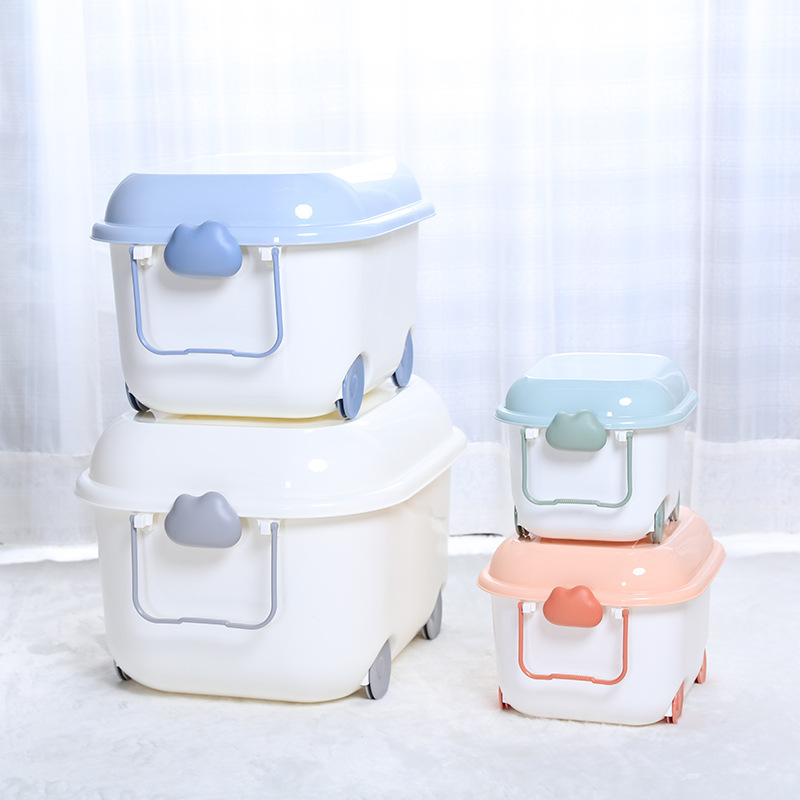
Standard snap-on lids offer basic, rudimentary coverage. They fail to block microscopic pests or high humidity. Polyurethane foam gaskets create a true weather-tight barrier. They compress tightly to seal out moisture and insects completely. Attics generate heavy dust. Insulation particles drift constantly through the air. Latch tension determines the actual seal strength. Generous lid overhangs shed falling debris effectively. These design elements prevent particulate accumulation inside the container. When evaluating a bin, press down on the lid after latching it; if you hear air escaping easily, the seal is inadequate for basement or attic use.
Molded handles integrate directly into the bin structure. They rarely break under extreme strain. Attached, clip-on handles can snap unexpectedly. Handle design dictates your ability to lift heavy bins through narrow attic hatches safely. Cheap plastic wheels snap under heavy loads. They drag instead of rolling smoothly. Evaluate axle strength carefully before purchasing. Look for solid metal axles and durable caster materials like polyurethane. Reliable wheels transform a heavy burden into a manageable task. Test the handle ergonomics while wearing work gloves to ensure you maintain a solid grip during transport.
Searching through identical opaque bins wastes valuable time. Implementing a multicolor storage box with lid system streamlines your setup operations. Use red and green for Christmas decor. Assign orange and black to Halloween items. This enables rapid visual inventory from across the room. Mismatched brands create unstable stacks. Playing Tetris with different footprints risks a dangerous collapse. Buy uniform bin sizes. Standardized dimensions ensure safe, interlocking stacking from floor to ceiling.
Clear bins offer immediate content recognition. You see exactly what is inside without opening the lid. Opaque bins provide critical UV protection. They prevent ambient sunlight from fading vibrant fabrics and painted ornaments. Choose based on your specific storage location. If your storage room has windows, opaque bins are mandatory to prevent sun bleaching.
Decor Category | Primary Threat | Recommended Storage Feature |
|---|---|---|
Glass Ornaments | Impact / Shattering | Rigid grid dividers and lift-out trays |
Artificial Trees | Weight / Fabric Punctures | Hard-sided elongated bins with wheels |
String Lights | Tangles / Copper Oxidation | Integrated spools and gasket seals |
Vintage Textiles | Moths / Mildew | Weather-tight latches and desiccant packs |
Hard plastic resists crushing completely. It supports heavy vertical stacking without buckling. It blocks pests entirely. Soft-sided fabric collapses for easy storage when empty. It saves valuable shelf space. However, fabric offers zero crush protection. It invites rodent nesting and absorbs ambient moisture. Choose hard plastic for primary protection. Reserve fabric only for highly controlled, indoor closet environments where temperature and humidity remain constant year-round.
Heavily nested bins maximize vertical space efficiently. You can store more items in a smaller footprint. The trade-off is accessibility. Reaching the bottom bin requires unstacking the entire heavy tower. Racking systems solve this problem. They allow you to slide out individual bins like drawers. However, racking systems require additional floor space and upfront investment. If you stack bins without racks, limit the height to four bins to maintain stability and reduce the physical strain of unstacking.
Premium, gasket-sealed bins require a higher initial outlay. Cheap bins save money upfront. However, cheap bins crack under pressure. They let moisture ruin expensive decor. Calculate the return on investment carefully. Protecting a collection of fragile ornaments justifies a premium container. Replacing ruined decor annually costs far more than buying the right box once. High-quality bins last for decades, spreading their value over many holiday seasons.
Unconditioned attics reach extreme temperatures in July. Cheap plastic bins bow under this intense heat. Lids warp and lose their protective seal. We recommend high-density polyethylene (HDPE) or polypropylene (PP). These industrial-grade materials withstand severe temperature fluctuations. They will not deform or melt in a hot attic environment. Always check the recycling triangle on the bottom of the bin; look for a "5" (PP) or a "2" (HDPE) for maximum heat resistance.
Oversized bins hold massive volumes of decor. They seem highly efficient on the store shelf. Yet, they often fail the access test at home. Measure your pull-down attic stairs carefully. Measure narrow basement doorways. Purchasing a massive bin that cannot fit through your access point renders it completely useless. Always verify clearance dimensions before buying. Account for the angle of approach when moving long tree boxes around tight hallway corners.
Plastic has strict structural limits. Overloading the top bins exerts immense pressure downward. The bottom lid eventually cracks under sustained pressure. Check the manufacturer's maximum safe weight rating. Distribute heavy items evenly across multiple smaller containers. Place the heaviest bins on the bottom of the stack. Put lightweight items on top. Never stand on a storage bin to reach a higher shelf, as this concentrates force and shatters the lid instantly.
Audit your current decor volume today to determine exact capacity needs before purchasing containers.
Measure your storage access points, including attic hatches and basement stairwells, to avoid clearance issues.
Discard all degraded cardboard packaging immediately to remove pest attractants and acid-leaching materials.
Invest in uniform, interlocking bins to ensure safe vertical stacking and maximize floor space.
Insert silica gel desiccant packs into every sealed container to neutralize trapped ambient moisture.
A: No. Original cardboard packaging degrades rapidly in unconditioned spaces. It absorbs moisture, leaches acids into fabrics, and crushes easily. Mismatched retail boxes also create unstable stacks. Upgrading to rigid, compartmentalized plastic bins provides superior climate protection and prevents accidental shattering.
A: It depends on your storage location. Clear bins offer excellent inventory visibility, allowing you to find items instantly. However, if your storage area receives natural sunlight, opaque bins are better. They provide UV protection, preventing vibrant fabrics and painted ornaments from fading over time.
A: Ensure all items are completely dry before packing them away. Never pack damp fabrics or outdoor lights that recently saw rain. Add silica gel desiccant packs inside the bin before sealing. Use containers with polyurethane foam gaskets to block external humidity from entering.
A: Use rigid plastic boxes equipped with acid-free cardboard or plastic grid dividers. These dividers isolate each ornament, preventing them from striking each other. Prioritize bins with lift-out trays to minimize handling. Store these fragile boxes in climate-controlled areas if possible.
A: Yes, provided you select the right material. Choose high-density polyethylene (HDPE) or polypropylene (PP) plastics. These materials tolerate extreme heat and freezing temperatures without warping or cracking. Ensure the bins feature weather-tight gasket seals to keep out dust, pests, and ambient moisture.
A: Soft bags pose significant risks in unconditioned spaces. They offer zero crush protection and are easily punctured by sharp branch poles. They also invite rodent nesting. A hard-sided wheeled storage box with lid provides superior structural integrity, pest defense, and easier mobility.
A: Standardize your bin sizes to ensure interlocking stability. Place the heaviest bins at the bottom of the stack. Distribute weight evenly inside each container. Check the manufacturer's load limits to ensure the bottom lid will not crack under the sustained pressure of the upper boxes.


