

Views: 0 Author: Site Editor Publish Time: 2025-09-12 Origin: Site


Plastic storage boxes are a popular and versatile solution for organizing items in homes, offices, and storage spaces. Known for their durability and flexibility, they can store everything from household goods to seasonal decorations. These boxes are essential for keeping spaces organized, whether stacked in closets, garages, or tucked under beds.
However, understanding the lifespan of plastic storage boxes is important. While they are generally resilient, factors like UV exposure, heat, and frequent use can affect their durability. Knowing how long they last helps you decide when to replace them, ensuring your belongings are stored safely and securely. By understanding these factors, you can maximize the lifespan of your plastic storage boxes and get the most value out of your investment.
Plastic storage boxes are designed to be durable, but their longevity depends on several factors. Understanding these factors will help you maintain the quality of your storage solutions and get the most out of your investment.
The quality of the plastic used in storage boxes plays a crucial role in determining how long they last.
High-Quality Plastic: BPA-free and durable plastics (such as polyethylene or polypropylene) are resistant to cracking, fading, and wear. These materials can endure long-term use, heavy loads, and environmental exposure without significant degradation.
Low-Quality Plastic: Cheap, thin plastic tends to be brittle and prone to cracking, especially under stress or when exposed to UV light. These boxes may deteriorate faster and are less likely to withstand harsh conditions or repeated use.
Impact on Durability: Boxes made with high-quality plastic are less likely to warp, crack, or fade over time, ensuring a longer lifespan. Conversely, low-quality plastics can quickly become brittle, losing their ability to protect your stored items.
How often you use your plastic storage boxes also affects their lifespan.
Heavy-Duty vs. Light-Duty: Storing heavy or bulky items, like books or tools, puts more strain on the box, leading to faster wear. Frequent opening and closing can weaken the hinges and lid over time.
Frequency of Use: A box that is used frequently for easy access is likely to show signs of wear, especially at the lid or corners. In contrast, a box used for long-term, static storage will likely last longer, provided it is handled carefully.
Impact on Longevity: The more a plastic box is handled or exposed to heavy loads, the quicker it may show signs of wear and tear. It's important to choose the right box based on your needs—light-duty boxes for less frequently accessed items, and heavy-duty boxes for long-term storage of bulkier goods.
Environmental conditions can significantly impact the lifespan of plastic storage boxes.
Sunlight: Prolonged exposure to direct sunlight can cause plastic to degrade. UV rays break down the plastic molecules, causing the material to become brittle and prone to cracking.
Heat: High temperatures, especially in attics or garages, can cause plastic to warp or soften, reducing its structural integrity.
Humidity: High humidity can affect the box's material, causing it to warp or deteriorate, especially if it’s not stored in a well-ventilated area.
Outdoor vs. Indoor Storage: Storing plastic boxes outdoors exposes them to more extreme environmental conditions, which can speed up the degradation process. Indoor storage in temperature-controlled, dry environments helps preserve the quality of the boxes.
Impact on Durability: Storing plastic boxes indoors, away from extreme sunlight, heat, or humidity, will increase their longevity. Outdoor storage or exposure to harsh conditions will shorten the lifespan of the plastic.
Overloading a plastic storage box can drastically reduce its lifespan.
Recommended Weight Limits: Each storage box has a specified weight limit. Exceeding this limit can cause the box to deform, crack, or break. Overloading can also stress the lids and hinges, which can fail over time.
Heavy Loads: Boxes that store heavy or bulky items such as tools, books, or sporting equipment are more likely to lose their shape, crack, or become unstable under pressure.
Impact on Longevity: By adhering to the manufacturer’s weight recommendations and avoiding overloading, you can help extend the lifespan of your plastic storage boxes. Using the appropriate box for your storage needs ensures that it remains intact and effective for longer periods.
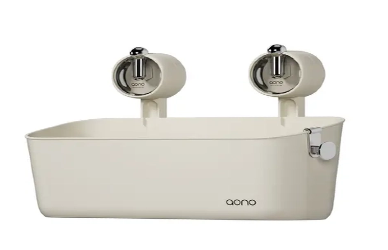
Plastic storage boxes are built for durability, but they can show wear over time. Recognizing early signs of damage can help you address issues before they affect your storage. Here are common signs of deterioration:
Plastic can become brittle and crack over time, especially under harsh conditions.
Causes:
UV Exposure: Prolonged sunlight weakens plastic, making it more likely to crack.
Temperature Fluctuations: Heat and cold cause plastic to expand and contract, leading to stress fractures.
Pressure: Excessive weight or movement can also cause cracks.
Why It Happens: UV rays and temperature extremes degrade the material, reducing flexibility and strength.
Impact: Cracks compromise the integrity of the box, making it less effective at protecting contents. If you notice cracks, replace the box soon.
Over time, plastic can discolor, losing its clarity and appearance.
Causes:
UV Exposure: Sunlight causes fading or yellowing.
Aging: Over time, plastic naturally degrades, changing its color.
Chemical Exposure: Certain cleaners or chemicals can stain plastic.
Why It Happens: UV light breaks down plastic’s chemical structure, leading to discoloration.
Impact: Discoloration doesn’t always affect function but can reduce the box's aesthetic appeal. Prolonged UV exposure may also weaken plastic.
Plastic boxes may lose their shape, affecting storage functionality.
Causes:
Heat: High temperatures cause plastic to soften, leading to warping.
Excessive Weight: Overloading boxes can deform them.
Improper Storage: Uneven pressure can distort the shape.
Why It Happens: Heat and heavy weight stress the plastic, causing it to bend or lose its form.
Impact: Warped boxes become unstable, difficult to stack, and less effective at protecting stored items.
To get the most out of your plastic storage boxes, proper care and maintenance are essential. These simple steps can help ensure they last as long as possible.
Regular upkeep prevents wear and prolongs the life of your plastic boxes.
Cleaning Tips:
Mild Soap & Water: Use gentle cleaners and avoid harsh chemicals that can damage the plastic.
No Abrasives: Avoid abrasive sponges or scrubbers that may scratch or weaken the material.
Dry Immediately: After cleaning, dry the boxes thoroughly to prevent moisture buildup.
Prevention:
Dust Regularly: Wipe away dust to prevent staining and scratches.
Inspect for Damage: Check for cracks or warping early to prevent further damage.
Where and how you store your boxes affects their longevity.
Cool, Dry Place:
Avoid Heat: Keep boxes away from direct sunlight and heat sources, as they can warp or discolor plastic.
Control Humidity: Store in areas with low humidity to prevent moisture-related damage.
Organize Properly:
Elevate from the Floor: Keep boxes off the floor to prevent water exposure in damp areas.
Avoid Outdoor Storage: Store boxes indoors or in a sheltered place to avoid weathering.
Overloading can weaken plastic storage boxes, leading to cracks or warping.
Know Weight Limits:
Stick to the recommended weight capacity to avoid damaging the box.
Distribute Weight Evenly:
When storing heavy items, spread the weight across the box to avoid putting stress on one side.
Choose the Right Box:
Use sturdy, thick plastic boxes for heavy items to ensure durability.
By following these simple guidelines, you can extend the life of your plastic storage boxes and keep them in excellent condition for years.
In summary, the lifespan of plastic storage boxes is influenced by several factors, including material quality, usage frequency, exposure to environmental conditions, and weight capacity. High-quality, durable plastic tends to last longer, while frequent use, extreme conditions, and overloading can shorten their lifespan.
By opting for premium plastic storage solutions, ensuring proper care and maintenance, and storing them in optimal conditions, you can maximize their durability and efficiency for long-term use.
For those looking to invest in reliable and durable storage options, explore our wide selection of high-quality plastic storage boxes designed to meet your needs and stand the test of time.


