

Views: 0 Author: Site Editor Publish Time: 2026-06-03 Origin: Site


Arriving at a dark campsite and tearing apart a messy vehicle to find a single flashlight is a frustrating way to begin an adventure. Disorganized gear creates immense operational friction. Poor equipment management frequently leads to damaged goods. It wastes daylight and compromises your entire outdoor experience. Generic packing tips often fail when reality sets in. Establishing a truly functional setup requires a systems-based approach. You need to evaluate your options carefully. The right setup depends heavily on vehicle payload limits, harsh environmental exposure, and specific trip duration. This guide serves as a comprehensive evaluation framework. We designed it to help you optimize your loadout efficiently. You will learn how to select, implement, and scale the most reliable solutions. We cover practical applications for car camping, overlanding, and emergency preparedness.
System Scalability: Effective camping storage relies on modularity—mixing heavy-duty exterior cases with accessible interior bins.
Durability vs. Weight: Hard-sided cases offer superior weather protection but consume high payload limits; soft-sided storage maximizes irregular vehicle spaces.
Multi-Functionality: Prioritizing dual-purpose items (like collapsible seating/emergency sanitation) drastically reduces volume requirements.
Implementation Risk: Generic plastic bins frequently fail under UV exposure, extreme cold, or off-road vibration.
Every outdoor excursion demands a unique packing approach. You must evaluate your constraints before buying any new containers. A structured decision framework prevents overloading your vehicle.
You must measure your vehicle’s cubic volume accurately. Payload limits dictate how much physical weight your suspension safely handles. Heavy plastic cases consume significant payload capacity before you even pack them. Calculate the dimensions of your trunk, roof rack, and rear seats. Map these measurements against potential container sizes. This ensures containers fit tightly together without wasting precious cabin room.
Use the following baseline evaluation chart to gauge your spatial constraints.
Storage Zone | Volume Capacity Constraint | Weight Priority | Ideal Container Profile |
|---|---|---|---|
Roof Rack | High Volume Available | Strictly Lightweight Gear | Low-profile aerodynamic cases |
Trunk/Cargo Bay | Moderate Volume | Heavy items (water, tools) | Stackable, straight-walled bins |
Rear Floorboards | Irregular/Small Volume | Dense, compact items | Soft-sided duffels or bags |
Evaluate your environmental exposure critically. If you mount containers externally on a roof rack, they require strict dust and waterproofing. Look for an Ingress Protection (IP) rating. An IP65 or IP67 rating ensures dust cannot enter and water stays out during heavy rainstorms. Conversely, interior trunk protection rarely requires expensive IP-rated seals. Standard lids suffice for items kept inside a dry cabin.
Adopt the "First-In, Last-Out" evaluation model. You should group gear based on deployment priority. Shelter components and sanitation tools require immediate access upon arrival. Pack these items last so you can reach them first. Backup cooking fuel or extra layers usually sit deeper inside your setup. A strong Camping Storage system always prioritizes rapid access to high-frequency items.
Understanding the strengths and weaknesses of different container types helps you build a hybrid system. No single box solves every packing challenge.
These robust units handle extreme abuse. They belong on exterior roof racks or mounted to truck beds. When evaluating hard cases, look for LLDPE (Linear Low-Density Polyethylene) construction. This material flexes slightly upon impact rather than shattering. Integrated tie-down points keep straps securely in place during transit. Lockable latches provide security against opportunistic theft.
Despite their strength, hard cases carry notable risks. They have a high tare weight. An empty case often weighs over fifteen pounds. They also use interior cabin space inefficiently due to their thick walls and bulky handles.
Modular crates organize the interior of your vehicle beautifully. We recommend transparent materials for rapid visual inventory. Seeing your gear through the plastic saves time. Choose straight-walled designs. Angled walls create dead space between stacked containers. Straight walls maximize every cubic inch of your cargo area.
However, generic plastic bins face specific risks. Standard clear plastics become brittle in sub-zero temperatures. A minor impact can shatter them entirely. They also lack true water resistance. Rain easily penetrates their snap-on lids.
Soft bags fill awkward gaps around wheel wells and seat backs. You should look for a high Denier count. A 1000D+ rating indicates thick, tear-resistant fabric. Reinforced stitching along the handles prevents blowouts under heavy loads. Water-resistant zippers keep dampness away from your clothing.
The primary risk involves crush protection. Soft bags offer zero structural defense. Never pack fragile items inside them. Camp stoves, gas lanterns, and sensitive electronics belong in rigid containers.
Space acts as a premium currency during any trip. Optimizing your layout means finding items capable of serving multiple roles simultaneously.
Single-use bulky items are a liability in camp packing. Taking a dedicated chair, a separate trash can, and a standalone toilet consumes massive cargo volume. Evaluate your gear rigorously. Select equipment serving at least two distinct functions. Multi-functional gear shrinks your total volume requirement significantly.
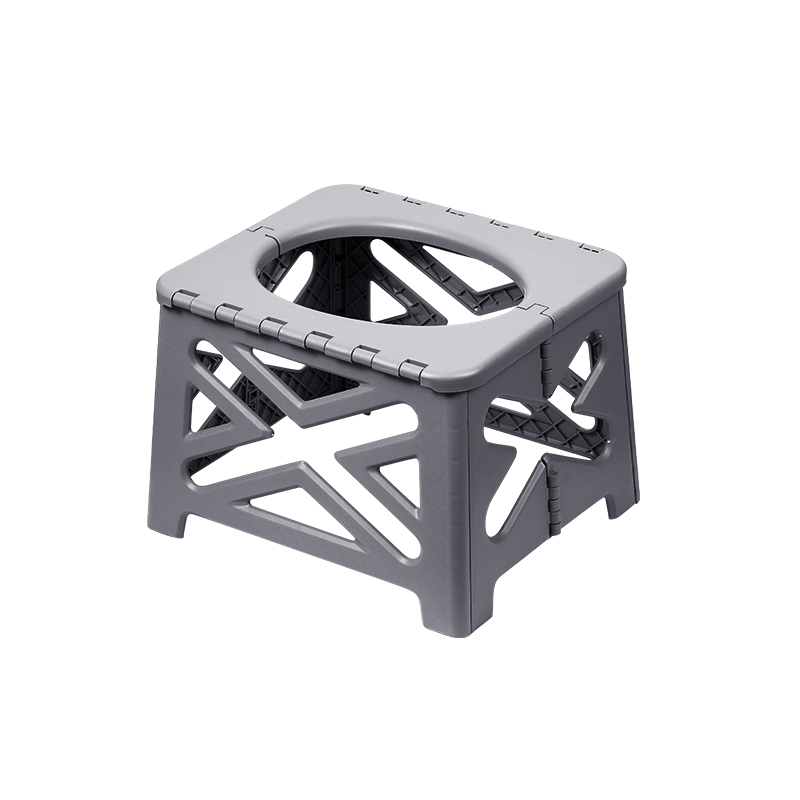
Proper waste management remains non-negotiable outdoors. Integrating a Portable Folding Toilet Stool for Camping And Outdoor Emergency solves several problems at once. These units pack entirely flat. They minimize their footprint during transit. Before you set them up for sanitation purposes, they serve alternative roles. Many double as robust seating around the fire. Others act as temporary trash receptacles during meal prep. This functional overlap reduces the number of separate items you must pack.
Unexpected delays or vehicle breakdowns change a weekend trip into a survival scenario. Evaluating a Disaster Prevention Portable Outdoor Folding Toilet proves essential for a permanent emergency kit. You must assess its load-bearing capacity carefully. It needs to support adult weights safely on uneven ground. Look for ease of sanitization. Smooth plastic surfaces wipe down quickly. Finally, ensure the unit offers broad compatibility with standard waste bags. Proprietary bags limit your options during an actual emergency.
A well-organized container means nothing if it compromises your driving safety. How you pack matters just as much as what you pack.
You must respect the physics of load distribution. Roof-mounted loads alter your vehicle handling dramatically. Placing heavy tools on a roof rack raises your center of gravity. This increases the risk of tipping during off-road travel. Always place heavy, dense items low in the trunk. Reserve roof racks for bulky, lightweight items like sleeping bags or empty water jugs.
Securing your load prevents dangerous shifting. People frequently debate between cam straps and ratchet straps. We highly recommend cam straps for plastic containers. Ratchet straps generate immense mechanical force. Over-tightening a ratchet strap easily warps plastic lids. Warped lids immediately compromise weather seals, allowing dust and rain inside. Cam straps provide sufficient tension without crushing your equipment.
High-stress setups demand clear labeling. Arriving at camp after dark creates confusion. A standardized labeling system removes the guesswork.
Use red labels for first aid and emergency recovery gear.
Use blue labels for water filtration and hydration supplies.
Use yellow labels for cooking utensils and stoves.
Use green labels for shelter stakes, guylines, and tarps.
Transitioning from a messy trunk to an organized system takes methodical planning. Follow these sequential steps to finalize your strategy.
Conduct a Gear Audit. Lay out all your equipment in your garage. Group similar items together. Determine your total required volume. Identify fragile or weather-sensitive items needing hard shell protection.
Measure Anchor Points. Grab a tape measure. Measure your trunk dimensions precisely. Check your roof rack crossbar spreads. Do this before selecting any hard case sizes to guarantee an exact fit.
Budget Allocation. Avoid over-investing in military-grade cases for simple car camping. You do not need extreme protection for nearby state parks. Redirect your budget toward high-quality, multi-functional emergency gear and reliable soft storage bags.
The optimal packing strategy relies on a flexible, hybrid system. No single container solves every logistical challenge you face outdoors. Mixing rigid exterior cases with transparent interior bins gives you the best combination of protection and visibility. Remember to balance weight distribution carefully to maintain safe vehicle handling. For an actionable next step, start upgrading your most frequently accessed items first. Replace bulky sanitation and cooking setups with modular, collapsible, or multi-functional alternatives. This simple swap instantly reclaims valuable cargo space and reduces campsite frustration.
A: Temperature fluctuations cause condensation inside airtight cases. Prevent this by placing large silica gel desiccant packs inside each box. Never pack damp tents or wet clothing into sealed containers. Always let gear air-dry completely before storing it long-term.
A: Most heavy-duty cases are not bear-proof. Standard lockable cases keep out raccoons and mice, but bears easily crush them. If you camp in bear country, you must use IGBC-certified (Interagency Grizzly Bear Committee) bear-resistant containers.
A: Keep sanitation supplies isolated from food and clothing. Utilize flat-packing techniques for collapsible toilets to save space. Store all waste-management supplies, including deodorizer packets and heavy-duty bags, in a dedicated, brightly colored dry bag for immediate identification.


