

Views: 0 Author: Site Editor Publish Time: 2025-12-02 Origin: Site


Large storage bins look tidy on the outside. Inside, they can hide dust, moisture, and bad smells. For clear plastic bins, the problem is easy to see. Cloudy walls and greasy films make them look old fast. This article explains how to clean large plastic storage bins. We will cover deep cleaning, deodorizing, and preventing stains. By the end, you will know how to keep every bin fresh, clear, and ready to use.
Proper cleaning prevents odor transfer, mold growth, and material damage.
Clear plastic bins require non-abrasive methods to maintain transparency.
Odor removal must neutralize molecules rather than mask scents.
Different storage environments demand different cleaning frequencies.
Prevention strategies greatly reduce the need for intensive deep cleaning.
Large plastic bins naturally collect dirt because they store high-risk materials like clothing, tools, and food-related items. Dust fibers from textiles, oils from hands, and moisture from air contact slowly build up inside the sealed environment. Since air circulation is minimal, contaminants remain trapped for long periods. This makes large bins much more prone to odor retention and microbial growth than open shelving.
If bins are placed in garages, basements, or near bathrooms, humidity further accelerates mold and mildew formation. Once moisture enters a bin and the lid is closed, the environment becomes ideal for microbial growth. These organisms release unpleasant odors and can transfer allergens onto stored belongings. This is especially critical for Bedroom Storage, where hygiene directly affects air quality.
Dirty storage bins negatively impact both appearance and functionality. Odors seep into fabrics, grease transfers to packaging, and dust contaminates clean items. In B2B environments, poor bin hygiene also affects brand reputation, warehouse compliance, and operational efficiency. Proper cleaning is therefore a preventive maintenance strategy, not just a cosmetic task.
Table 1: Common Contaminants Found in Large Plastic Storage Bins
| Contaminant Type | Common Source | Risk Level |
|---|---|---|
| Dust & lint | Clothing, textiles | Medium |
| Moisture | Basements, humidity | High |
| Food residue | Pantry storage | High |
| Oils & grease | Tools, hands | Medium |
| Mold spores | Damp environments | Critical |
This section delivers the core method for how to clean large plastic storage bins properly and safely. The process is designed to be non-damaging for all plastics and especially protective of clear plastic bins. Every step builds on the previous one to ensure complete sanitation. Skipping steps leads to residue buildup, odor retention, or long-term surface damage.
The sequence follows: inspection → gentle washing → correct rinsing → controlled drying → odor neutralization. This process works equally well for residential Plastic storage systems and large-scale warehouse containers. Each subsection addresses a specific risk area in the cleaning cycle.
The cleaning process must always begin with complete emptying of the storage bin. Removing all contents allows access to every interior surface and prevents cross-contamination during washing. Shaking out dust and debris outdoors prevents loose particles from sticking once water is introduced. This step also prevents clean water from turning into dirty slurry.
Once empty, interior inspection becomes critical. Visual checks help identify mold patches, chemical residue, grease stains, and moisture pooling in corners. Odor inspection also provides clues about contamination origin. A musty smell signals trapped moisture, while sour odors often indicate biological residue from food or fabric.
Separating lids, dividers, and inserts ensures that hidden ribbing and grooves are not missed. Lid sealing tracks often trap oils and bacteria. Proper inspection prevents spreading contamination during later cleaning stages.
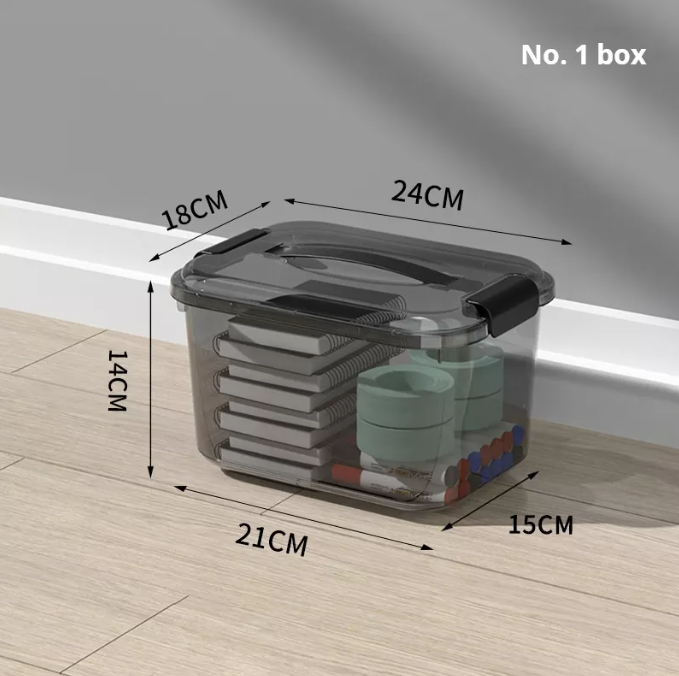
Using the correct cleaning tools determines whether bins are restored or permanently damaged. Mild dish detergent, warm water, microfiber cloths, and soft sponges form the foundation of safe plastic care. These materials lift dirt without cutting into the plastic surface. This is essential for maintaining the transparency of clear plastic bins.
Abrasives like steel wool, scouring pads, and stiff brushes permanently scratch plastic. These micro-scratches scatter light and cause fogging that cannot be reversed. For tougher stains and odors, baking soda and diluted vinegar provide chemical activity without surface erosion.
Bleach should only be used for active mold cases and must be diluted correctly. Overuse weakens plastic structure and causes discoloration. In professional Plastic storage facilities, supply standardization improves safety and consistency.
Table 2: Safe vs. Unsafe Cleaning Tools for Clear Plastic Bins
| Tool Type | Safe for Clear Plastic | Risk |
|---|---|---|
| Microfiber cloth | Yes | None |
| Soft sponge | Yes | None |
| Baking soda | Yes | Low |
| Steel wool | No | Severe scratching |
| Powder abrasives | No | Permanent fogging |
Interior washing requires controlled pressure and uniform coverage. Cleaning solutions should be lightly foaming and evenly distributed using a soft sponge or microfiber cloth. Large flats should always be washed first, followed by corners and reinforced edges. This prevents grit from dragging across smooth surfaces.
Grooves and ribs require targeted cleaning using soft brushes or old toothbrushes. These areas trap odor-causing residue and mold spores. Lids deserve equal attention since oils from hands concentrate along the rim and handle areas. Exterior cleaning prevents surface dirt from transferring back onto lids during stacking.
Circular grinding motions should be avoided at all times. Gentle, linear strokes lift soil without embedding particles into the plastic surface. Patience preserves clarity.
Soap residue is a major cause of long-term clouding in clear plastic. Any detergent film left behind will trap dust and accelerate discoloration. All bins should be rinsed with clean, lukewarm water until every trace of foam is gone.
Hard water introduces mineral deposits that dry as visible specks or streaks. A final rinse using diluted vinegar dissolves calcium and magnesium residues. This step restores optical clarity and prevents future haze buildup.
Bins should be inspected against direct light after rinsing. Any remaining streaks must be re-wiped immediately before they set. This quality-control step matters most for retail and display clear plastic bins.
Drying is not optional. Any trapped moisture creates an anaerobic breeding zone for mold and odor-causing bacteria. Air drying works best in ventilated environments with indirect sunlight exposure. Bins should be flipped upside down to allow gravity-driven drainage.
In humid environments, towel drying becomes necessary. Soft, clean towels remove water without scratching. Special attention should be given to corners, grooves, and lid rims. Even small droplets left behind can generate odor within days.
Closing a damp bin negates all prior cleaning effort. Bins must feel completely dry to the touch before sealing.
Some odors originate deep within the plastic and persist after standard washing. Baking soda acts as a molecular odor absorber and should be applied as a dry layer overnight. This process neutralizes mild organic odors safely.
Vinegar vapor neutralizes acidic and chemical smells through molecular breakdown. A vinegar cup placed in a closed bin works without direct surface contact. This method requires post-treatment ventilation to remove vinegar scent.
Essential oils may be used for light fragrance in Bedroom Storage settings. However, strong oils should be avoided around food or sensitive textiles.
Odor problems differ from surface dirt problems. Odors come from absorbed molecules that remain trapped in microscopic plastic pores. Clear plastic displays less surface dirt, which often delays cleaning and allows deeper odor embedding.
Warm environments accelerate odor penetration through plastic off-gassing. Once absorbed, odors slowly release back into stored items. This explains why even washed bins can still smell stale weeks later.
Odor control therefore requires both surface cleaning and molecular neutralization.
Clear plastic bins often appear cleaner than they truly are. The absence of visible dirt leads to delayed maintenance. This allows oils, mildew vapors, and organic residue to migrate into the plastic itself.
Temperature fluctuations in attics and garages increase plastic porosity. This allows odor molecules to move deeper into the polymer structure. Once embedded, surface wiping alone becomes ineffective.
Baking soda absorbs odors through neutralization chemistry. Vinegar breaks down odor molecules through acidity. Each targets different odor categories.
Table 3: Odor Removal Comparison
| Method | Best For | Time Required |
|---|---|---|
| Baking soda | Musty odors | 8–24 hours |
| Vinegar vapor | Sour or chemical odors | 2–6 hours |
| Commercial neutralizer | Industrial odors | Immediate |
Air fresheners only mask odors. They do not neutralize the source. Commercial odor neutralizers chemically deactivate odor molecules. These are required in industrial storage, logistics, and rental container operations.
Facilities handling workwear, chemicals, or shared storage should adopt neutralization as part of sanitation SOPs. This improves worker safety and reduces customer complaints.
Stains weaken visual credibility and suggest poor hygiene. They often originate from food pigments, oils, craft materials, and chemical agents. Early intervention is critical.
Cloudiness develops from mineral buildup and micro-scratching. Once scratches form, optical recovery becomes impossible without surface polishing.
Cold water prevents oil dispersion during pre-rinsing. Baking soda paste chemically lifts pigmented residues without abrasion. Multiple cycles may be needed for deep stains.
Vinegar assists in dissolving organic staining bonds. However, full rinsing is essential afterward to prevent acidic residue damage.
Water-based materials respond well to warm soapy soaking. Solvent-based residues require controlled plastic-safe solvents. Rubbing alcohol works on marker ink but must be spot-tested.
Aggressive solvents like acetone permanently damage plastic structure and transparency. Their use should be strictly prohibited on clear bins.
If clarity does not improve after vinegar treatment, surface damage is the cause. Plastic aging and abrasion cannot be reversed. Preventive care is the only solution.
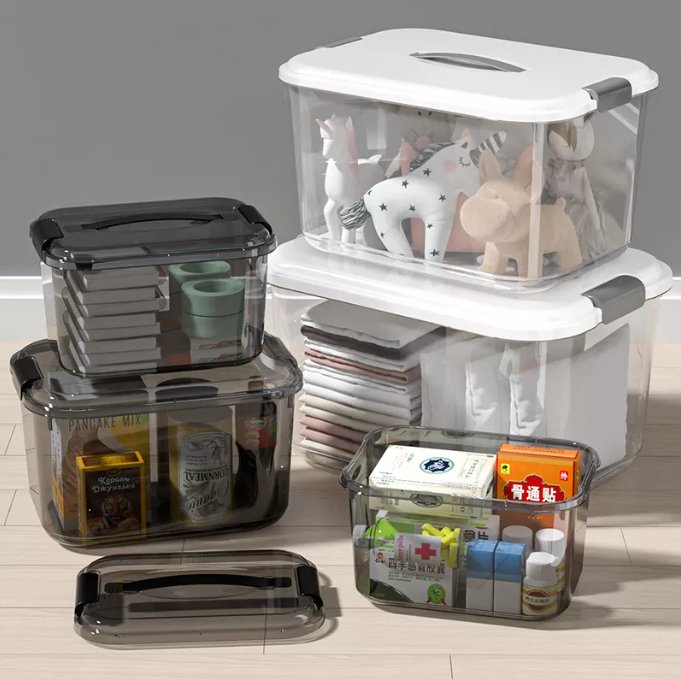
Mixed-material storage environments demand customized care strategies. Applying one method universally increases damage risk.
| Plastic vs. Clear Plastic Bins: Transparency Risks | Opaque plastic tolerates minor scratching visually. Clear plastic does not. Cleaning protocols must prioritize low-friction tools and minimal pressure. |
| Metal Storage Bins and Rust Prevention | Metal bins require complete drying and occasional rust inhibitors. Detergent residue accelerates oxidation if not removed properly. |
| Wooden Storage Boxes and Protective Wax Oiling | Wood absorbs water quickly and must never be soaked. Oils and wax restore protective surface barriers and prevent staining. |
Maintenance strategy greatly reduces deep-clean workload. Environmental control, liner use, and pre-cleaning practices all extend bin life.
| Storage Environment: Dry, Ventilated, and Elevated | Concrete floors transmit moisture upward. Elevating bins prevents condensation and microbial exposure. Wall spacing improves airflow. |
| Pre-Cleaning Items Before Putting Them Into Clear Plastic Bins | Dirty items contaminate clean bins instantly. Pre-cleaning lowers odor compression and residue migration. |
| Using Liners, Wraps, and Moisture Absorbers | Linings create sacrificial barriers. Moisture absorbers stabilize internal humidity and reduce mold risk substantially. |
Poor tool choices, heat misuse, and cleaning delay all shorten bin lifespan and increase contamination risk.
Why Abrasive Pads Ruin Clarity Permanently | Scratches scatter light and permanently reduce visibility. Gentle friction preserves optical integrity. |
Dishwasher Heat Risks for Large Plastic Bins | Warping ruins structural fit and lid seals. Only smaller dishwasher-rated bins should be machine washed. |
Letting Stains Set Too Long | Delayed cleaning increases pigment bonding and oil absorption. Immediate action preserves surface integrity. |
Usage intensity dictates maintenance schedule. Storage category segmentation simplifies planning.
Seasonal Storage Bins | Annual deep cleaning prevents multi-season odor transfer. Odor absorbers support long storage cycles. |
Food and Pantry Storage Bins | High contamination risk demands monthly inspection and rapid spill response protocols. |
Garage, Workshop, and Moving Bins | Annual deep cleaning plus post-project inspection prevents chemical and mechanical residue buildup. |
Large plastic storage bins play a vital role in daily storage and organization. Their cleanliness directly affects item safety, hygiene, and long-term usability. With proper cleaning methods, both appearance and structural strength can be preserved. Clear plastic bins require extra care due to surface sensitivity and visible residue. Gentle tools, routine inspection, and preventive maintenance help maintain clarity and prevent odor buildup.
This guide offers a complete cleaning framework for homes and commercial storage. With the right routine, bins stay fresh, stain-free, and ready for long-term use. LIYE supports this process with high-quality clear plastic storage products that deliver durability, visibility, and reliable value for both home and business storage needs.
A: Use warm water, mild soap, and a soft cloth to protect clear plastic bins in Plastic storage.
A: Soap residue, hard water, and abrasives cause clouding in clear plastic bins.
A: Clean Bedroom Storage bins every 6–12 months, or after spills or odors.
A: Yes, diluted vinegar safely removes odor and mineral film from clear plastic bins.
A: Yes, clear plastic bins scratch easier and need gentler cleaning tools.


